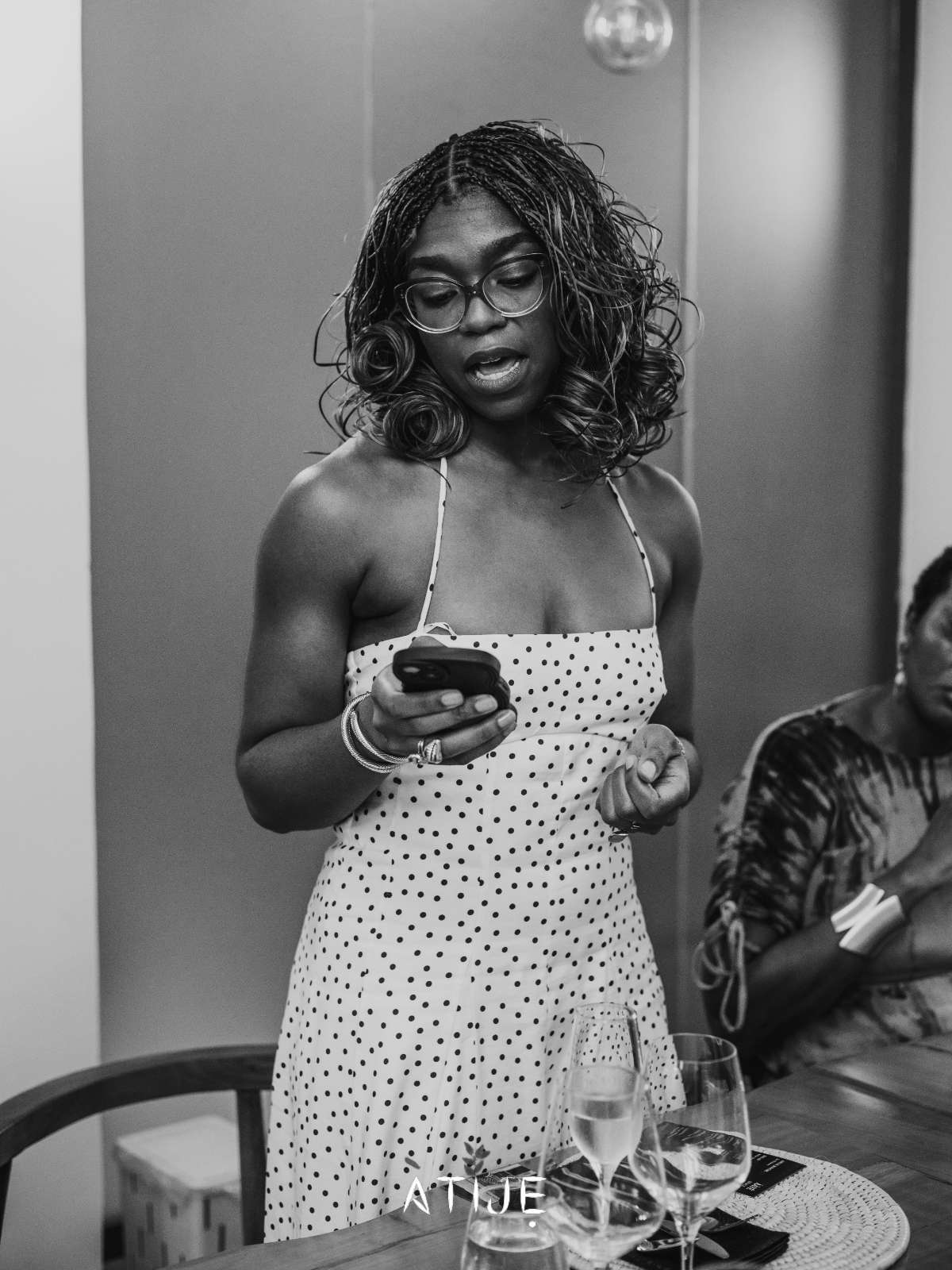
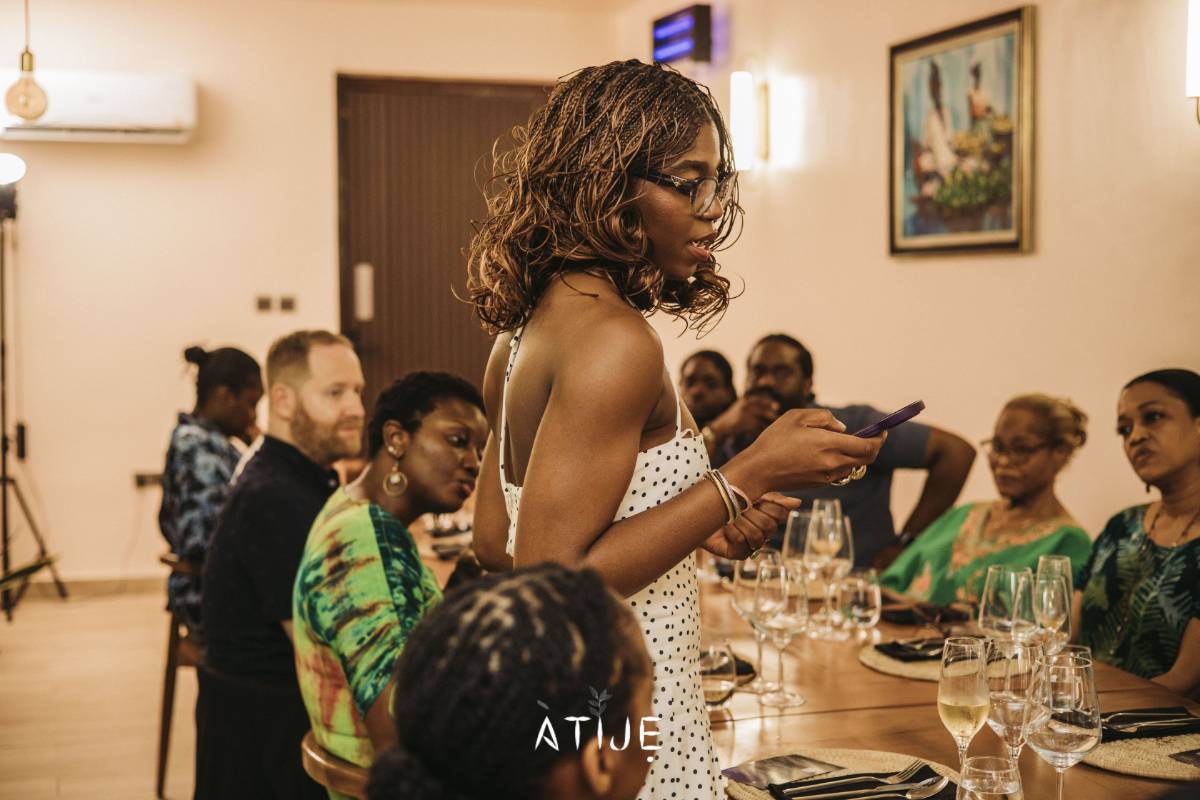
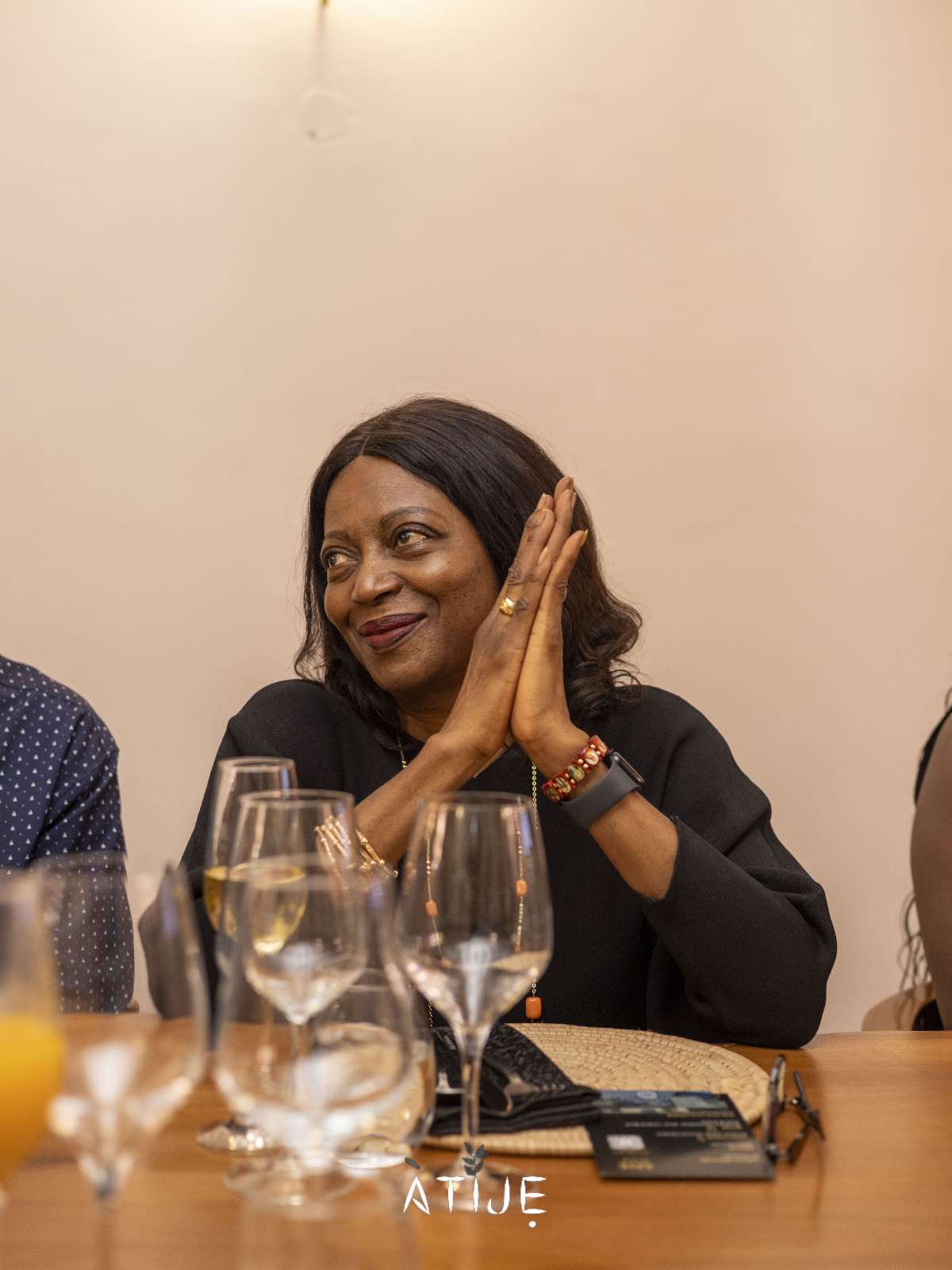
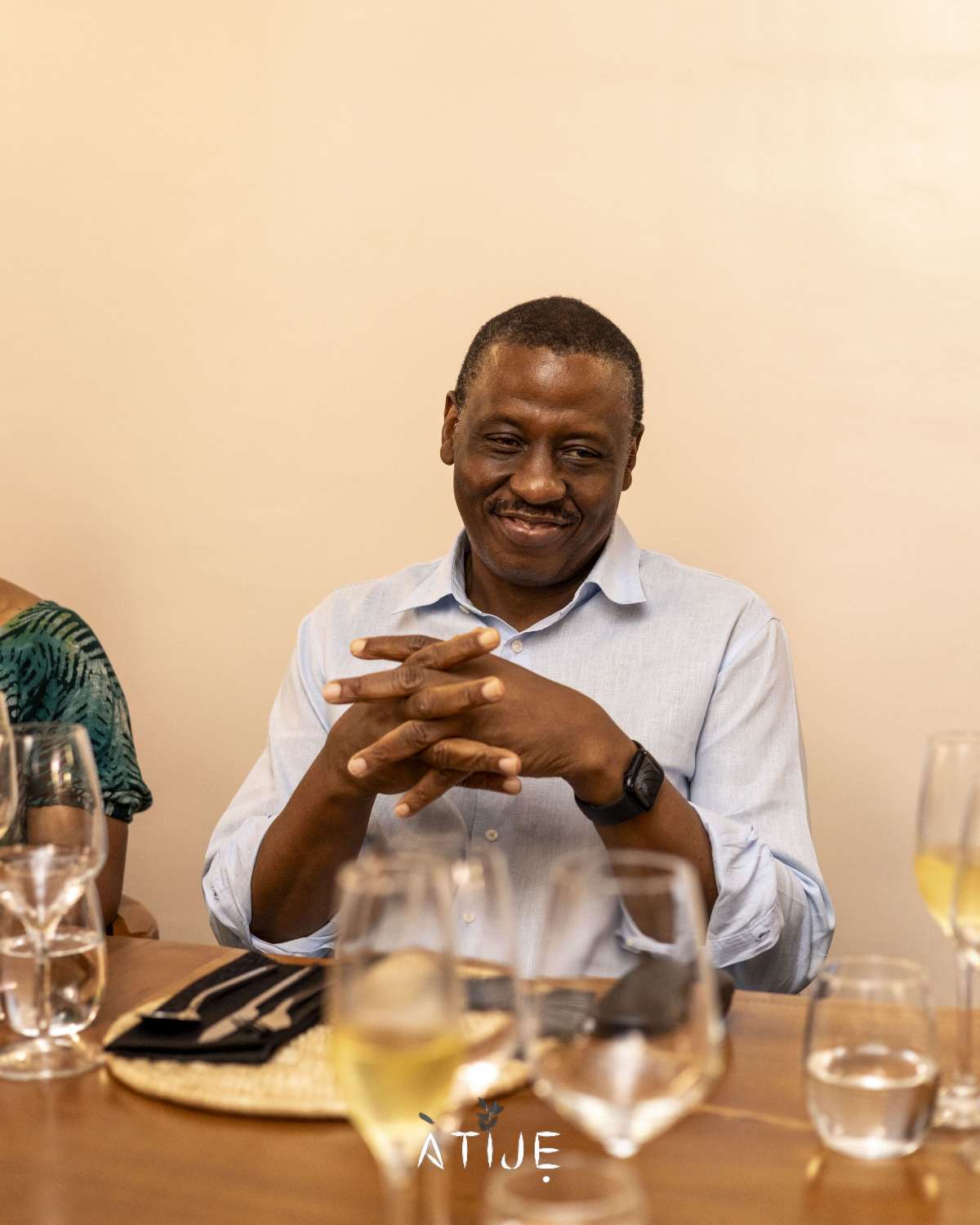
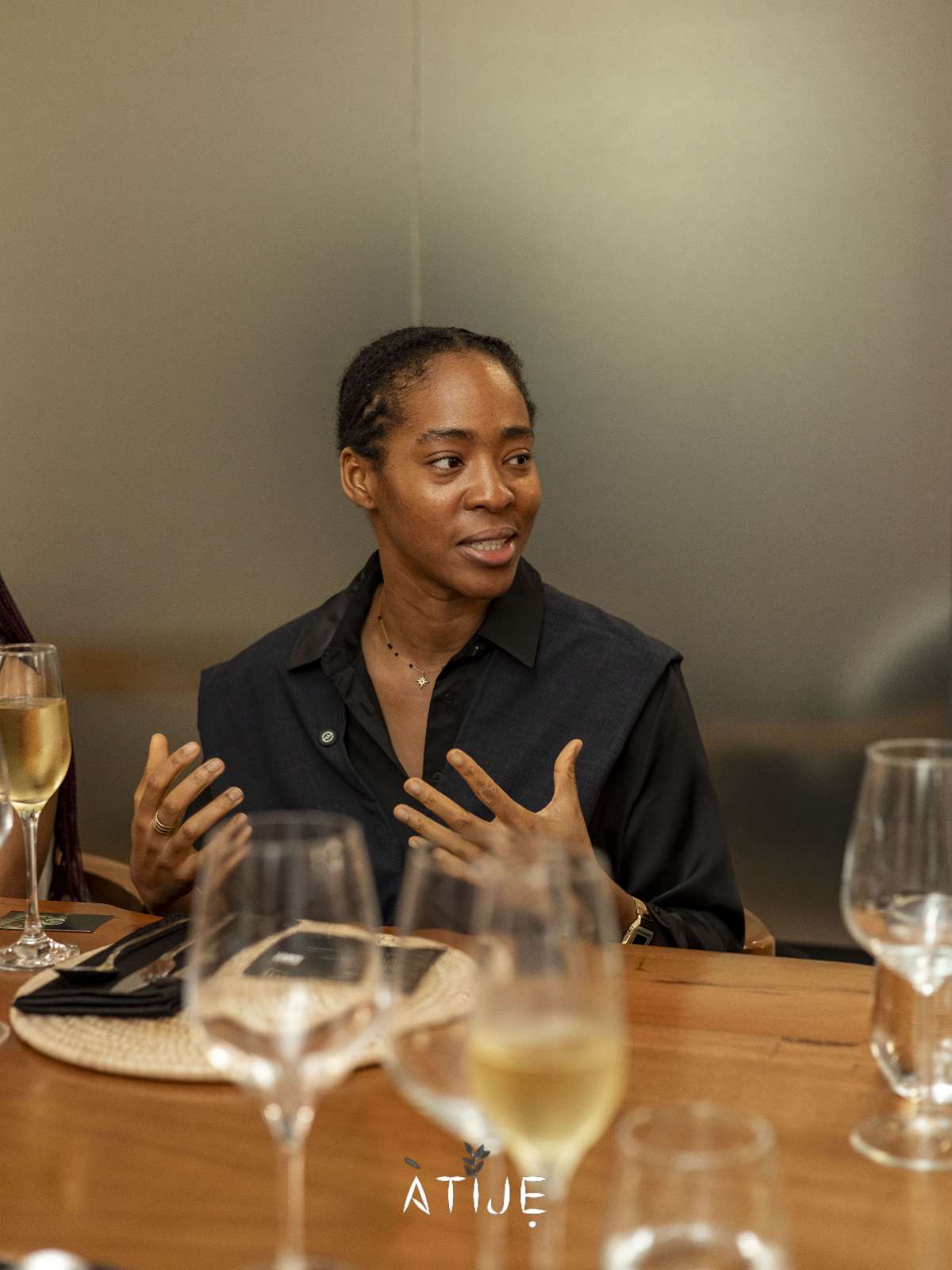
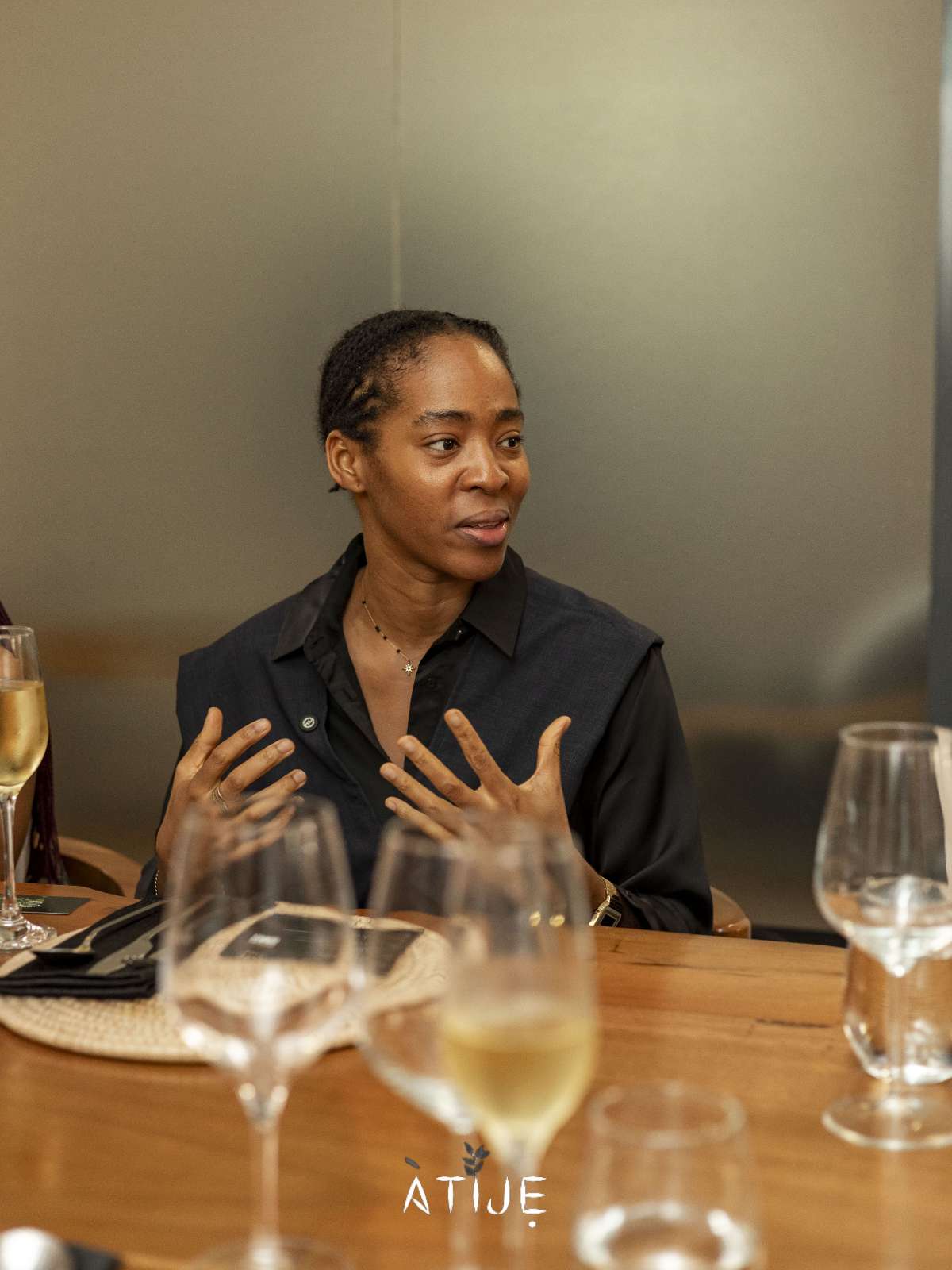
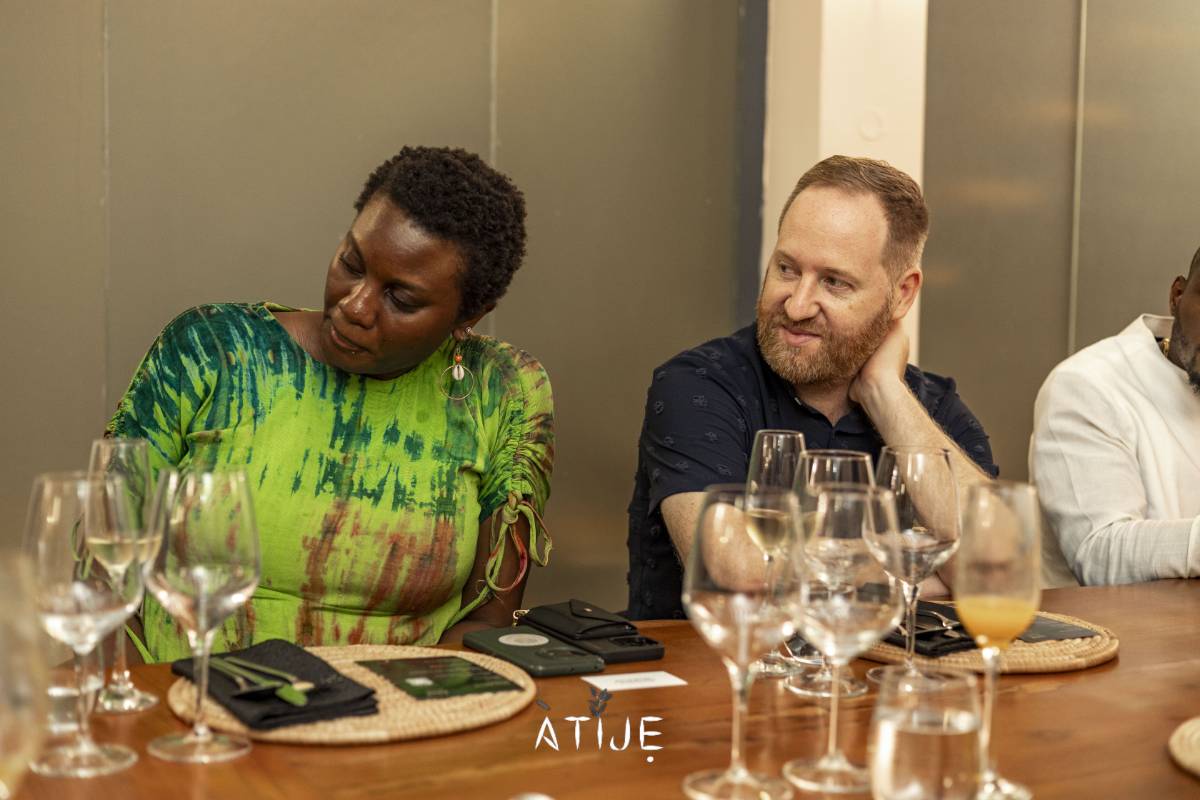
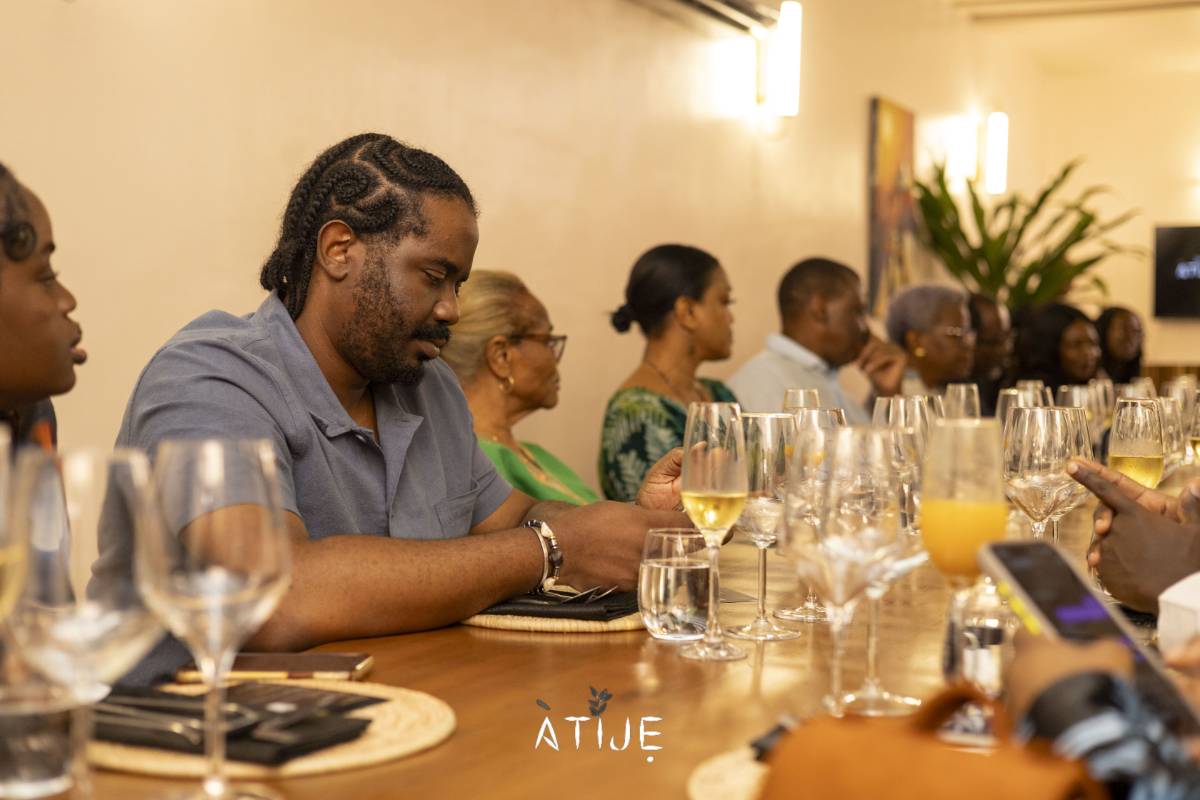
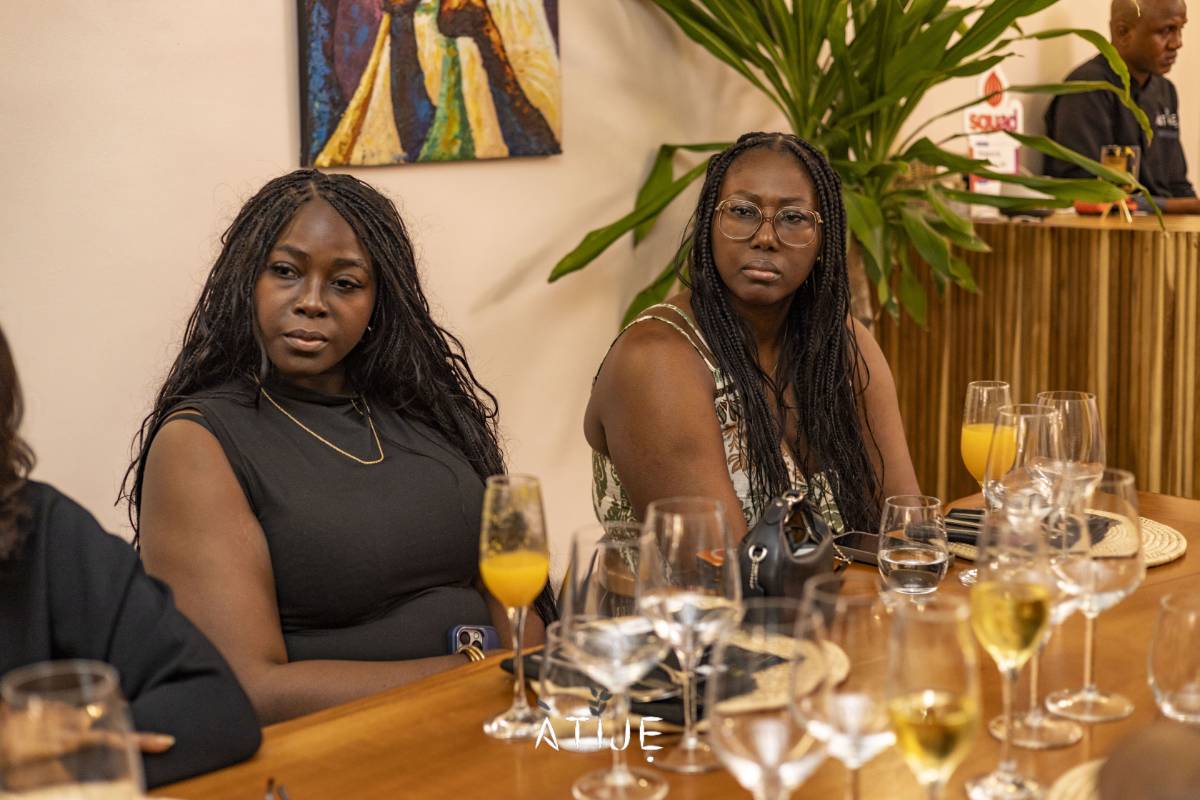
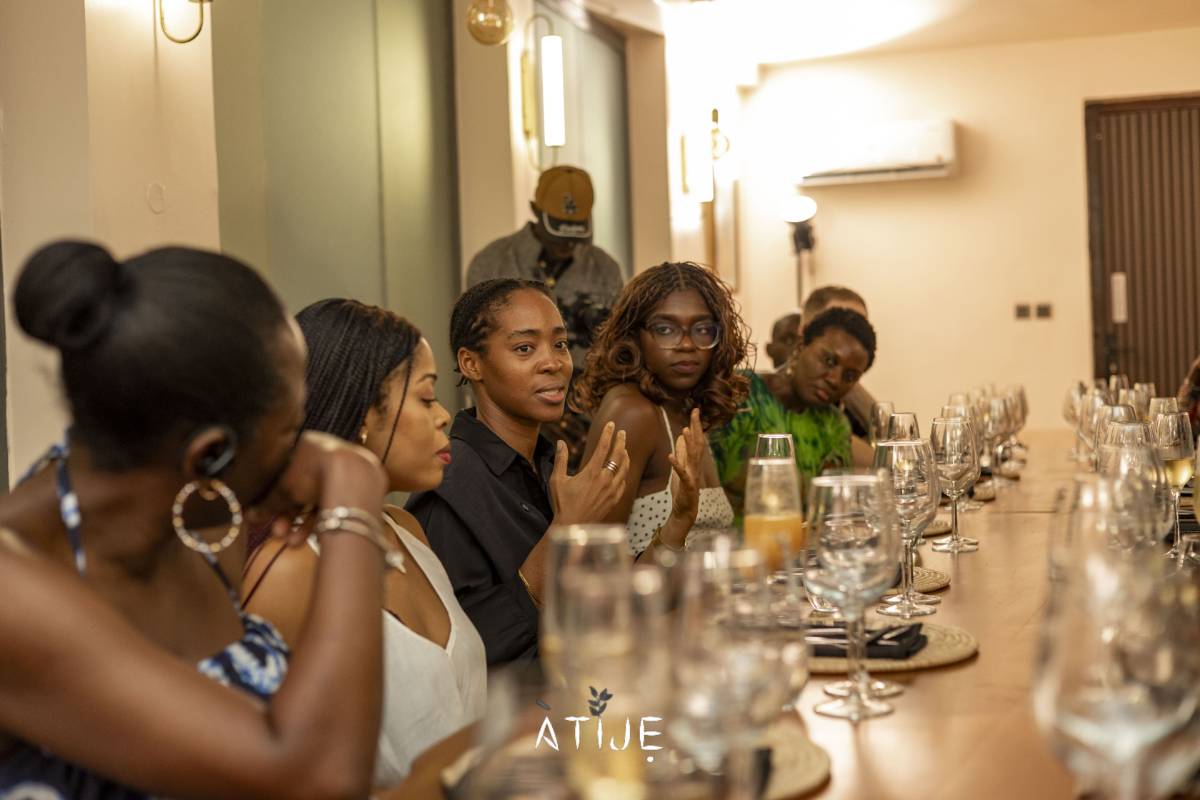
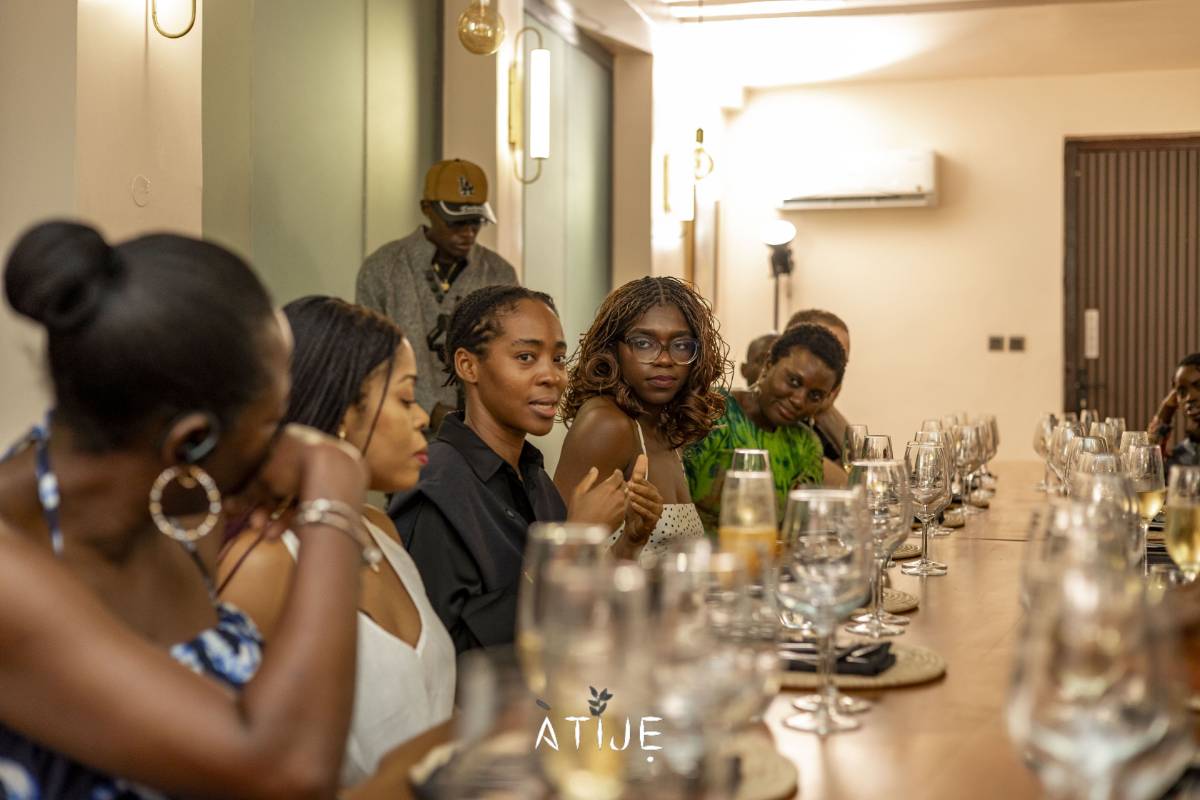
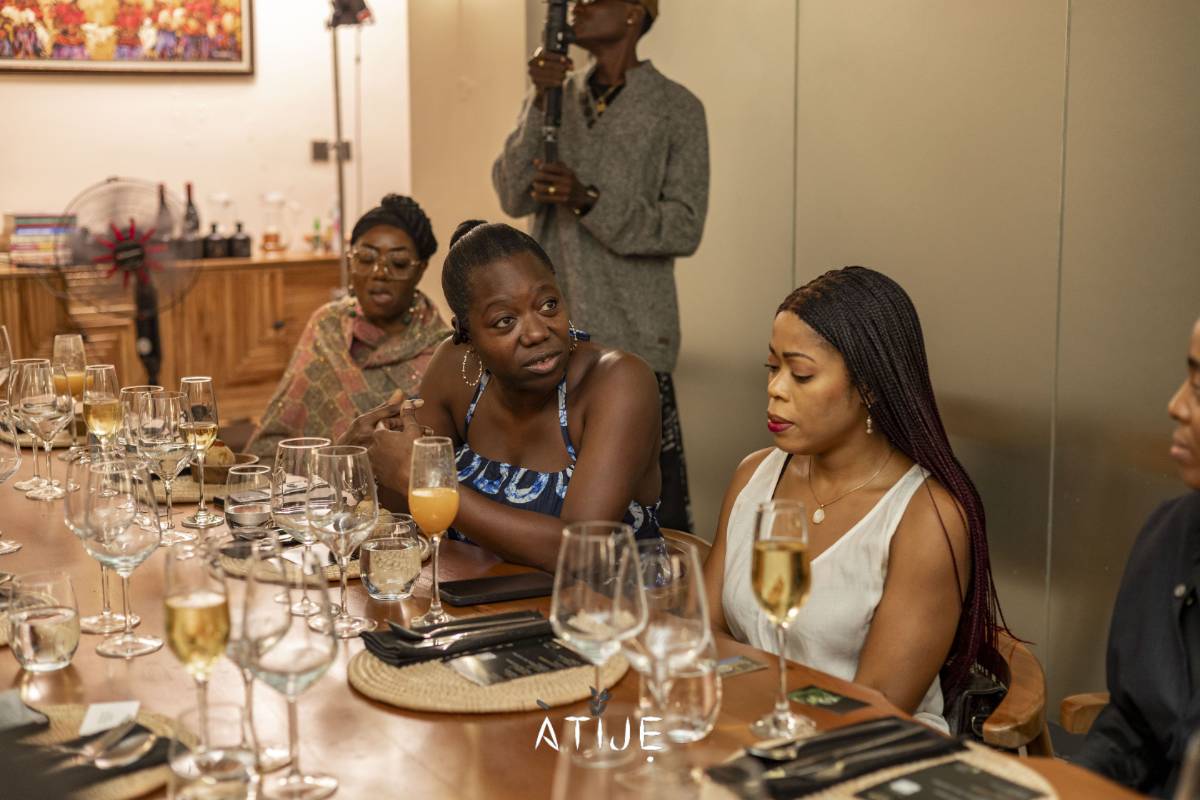
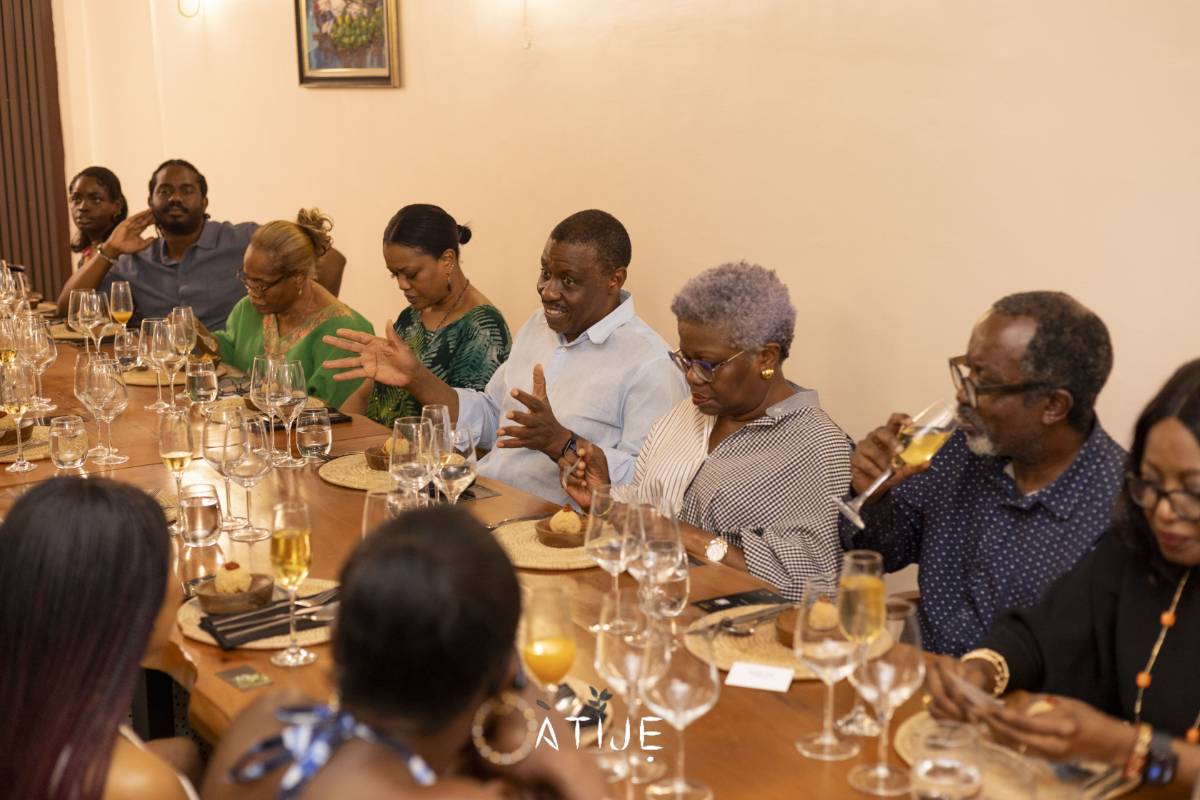
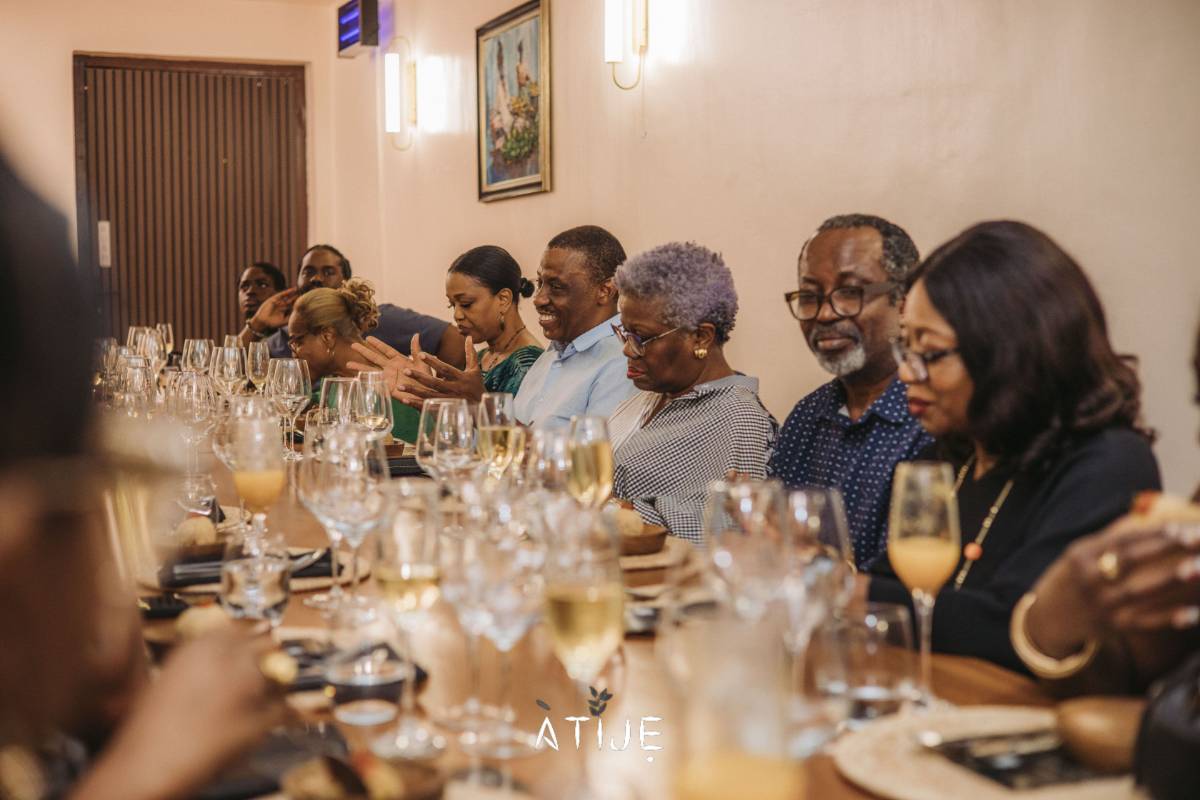
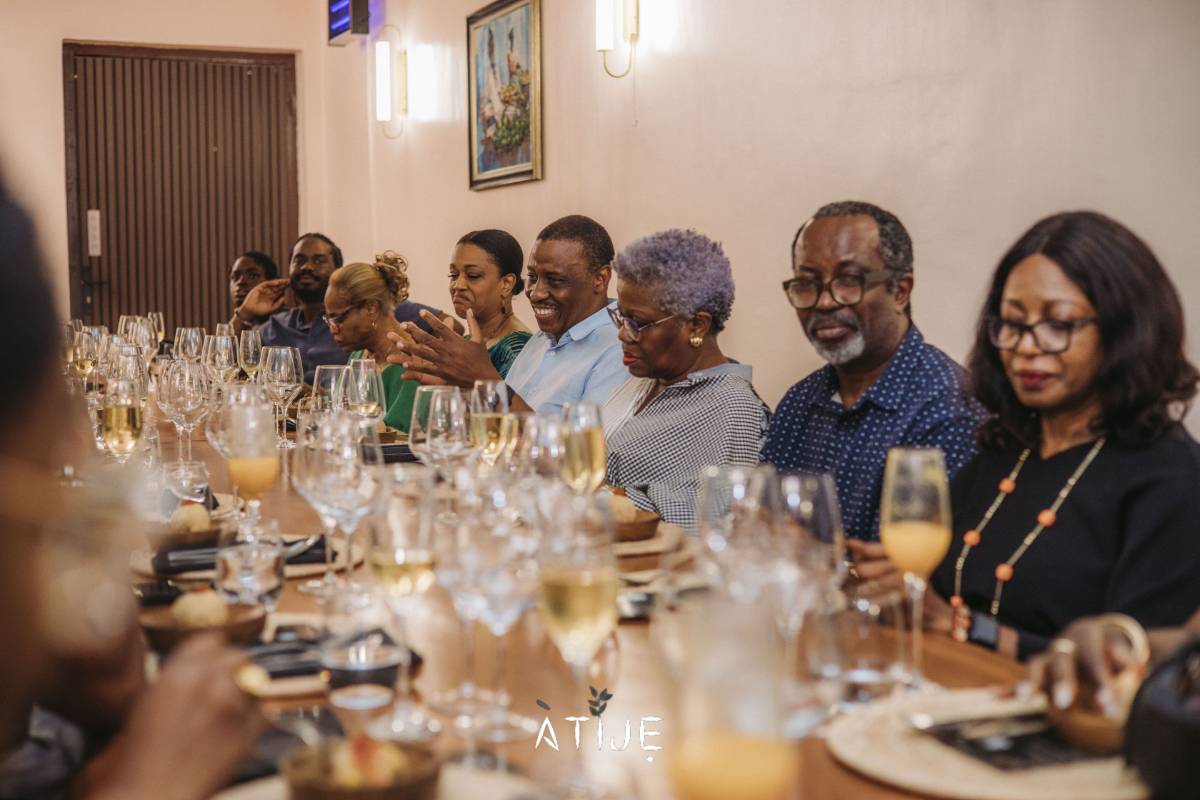
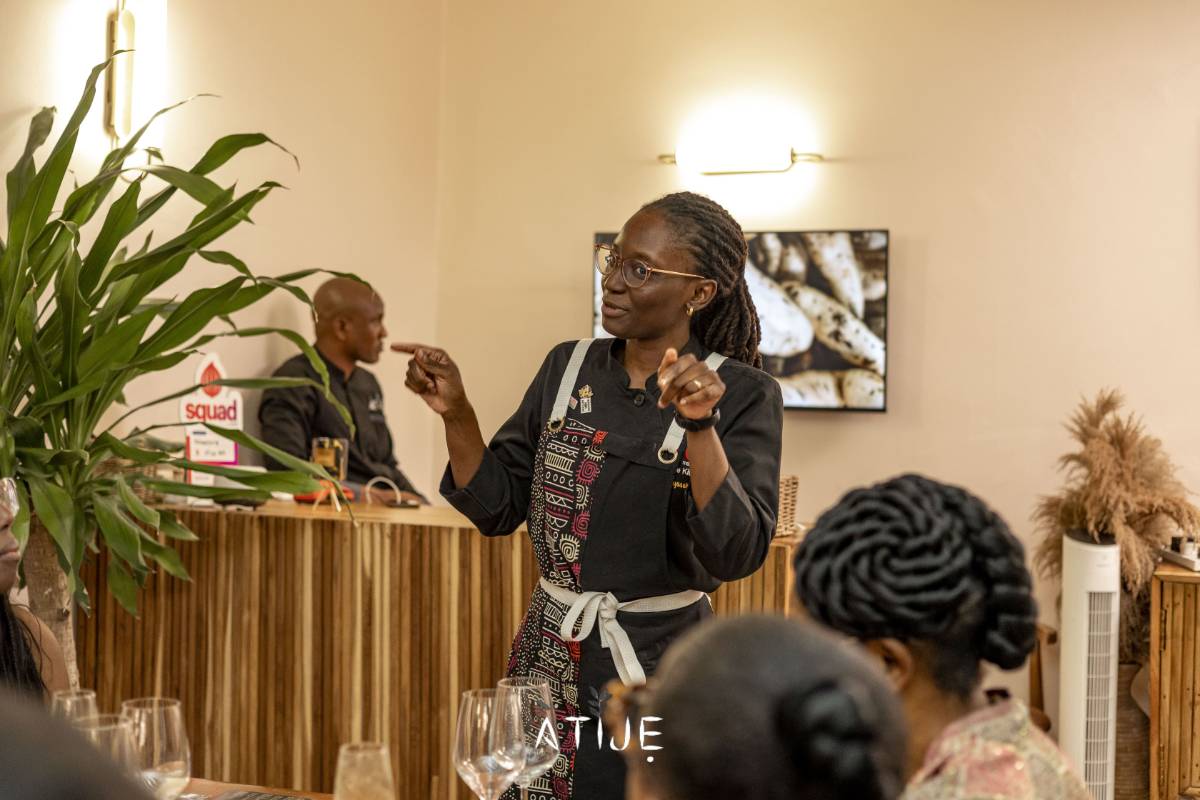
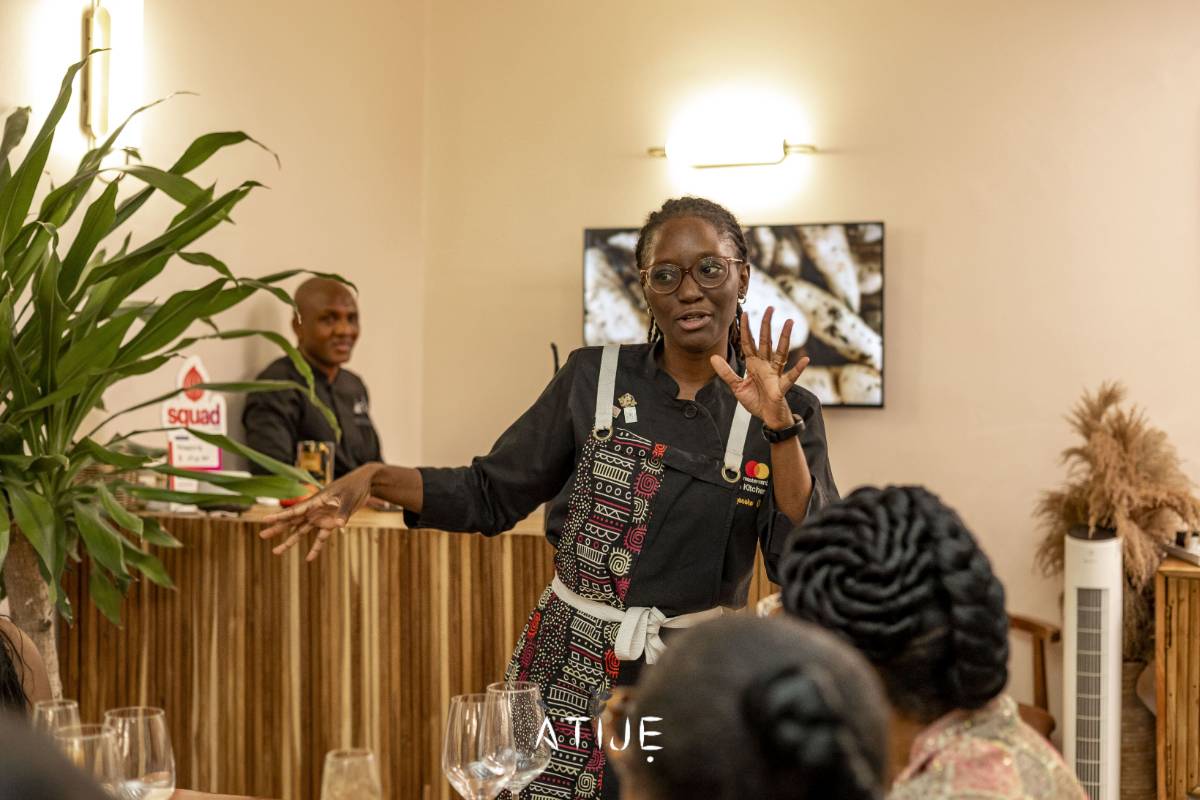
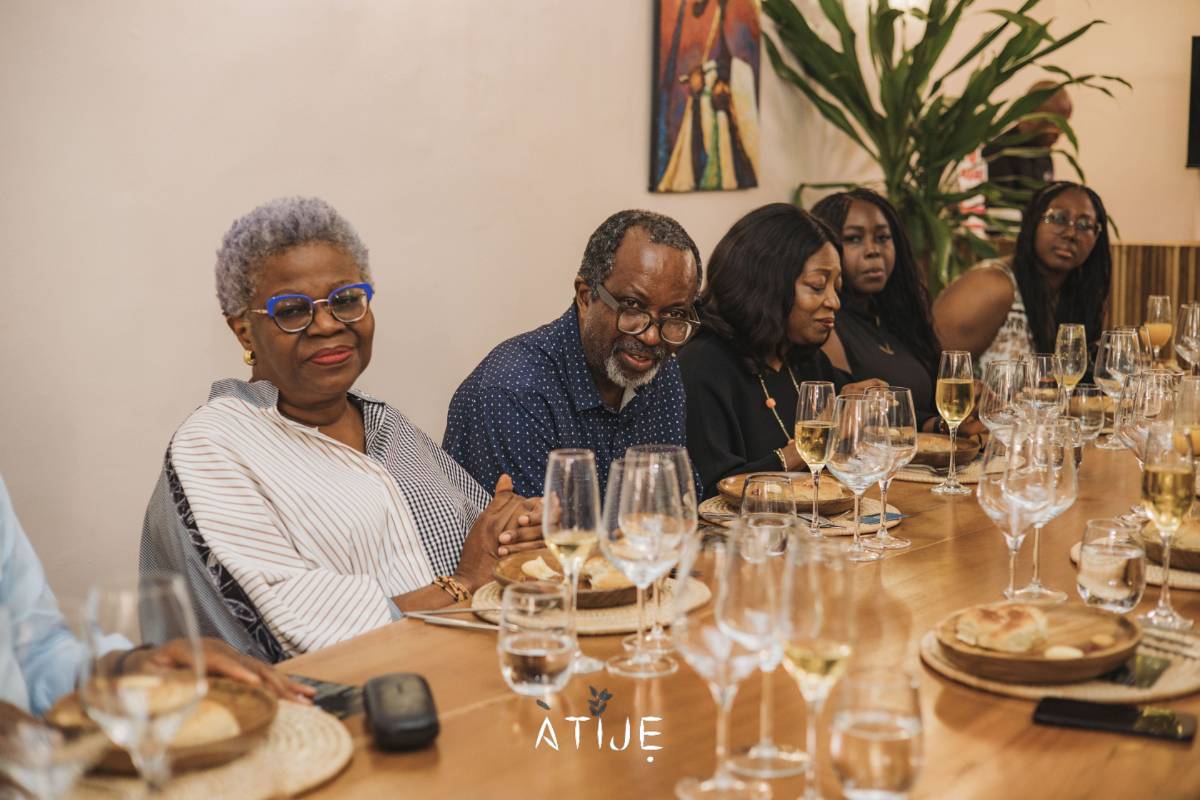
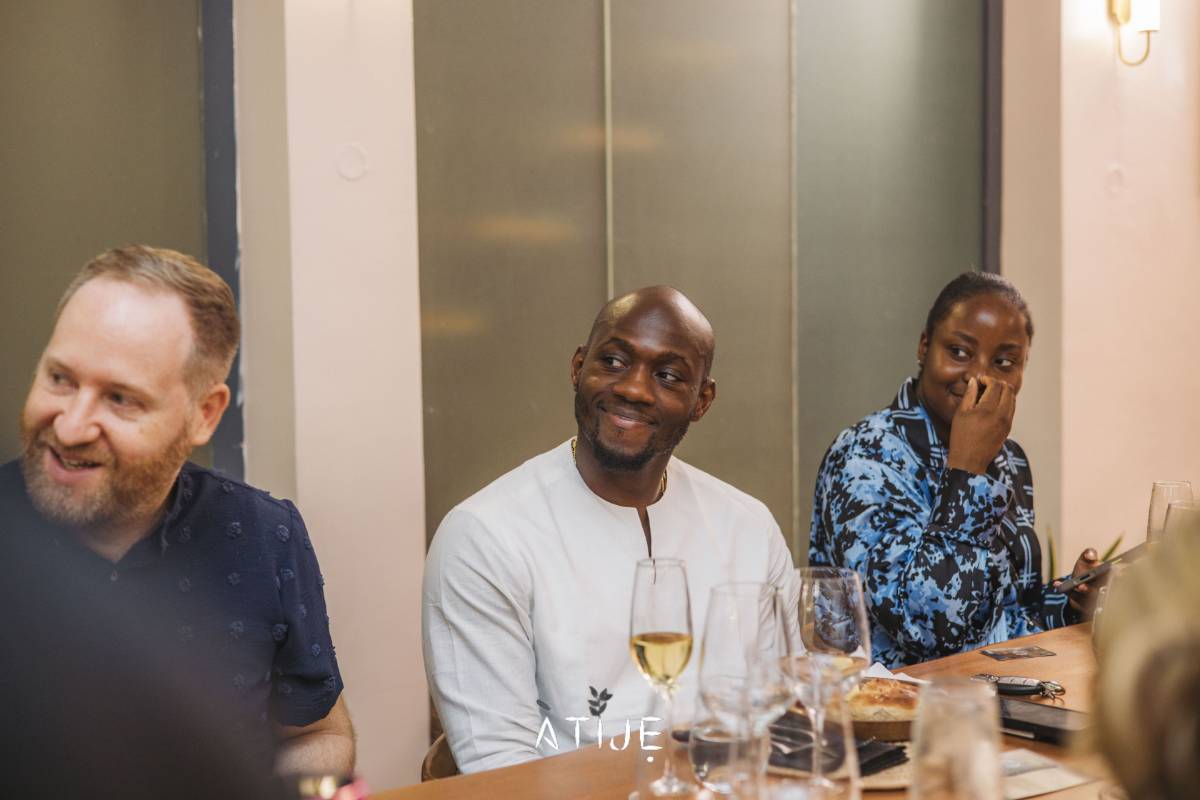
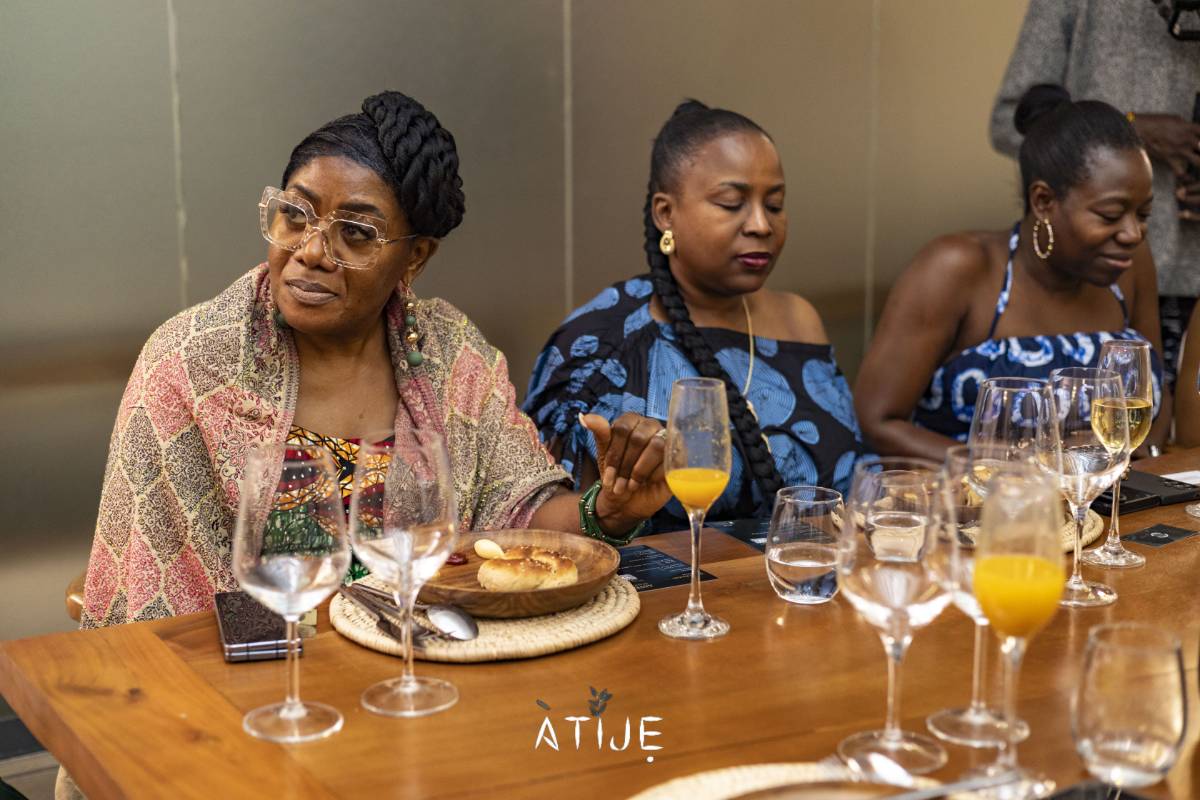
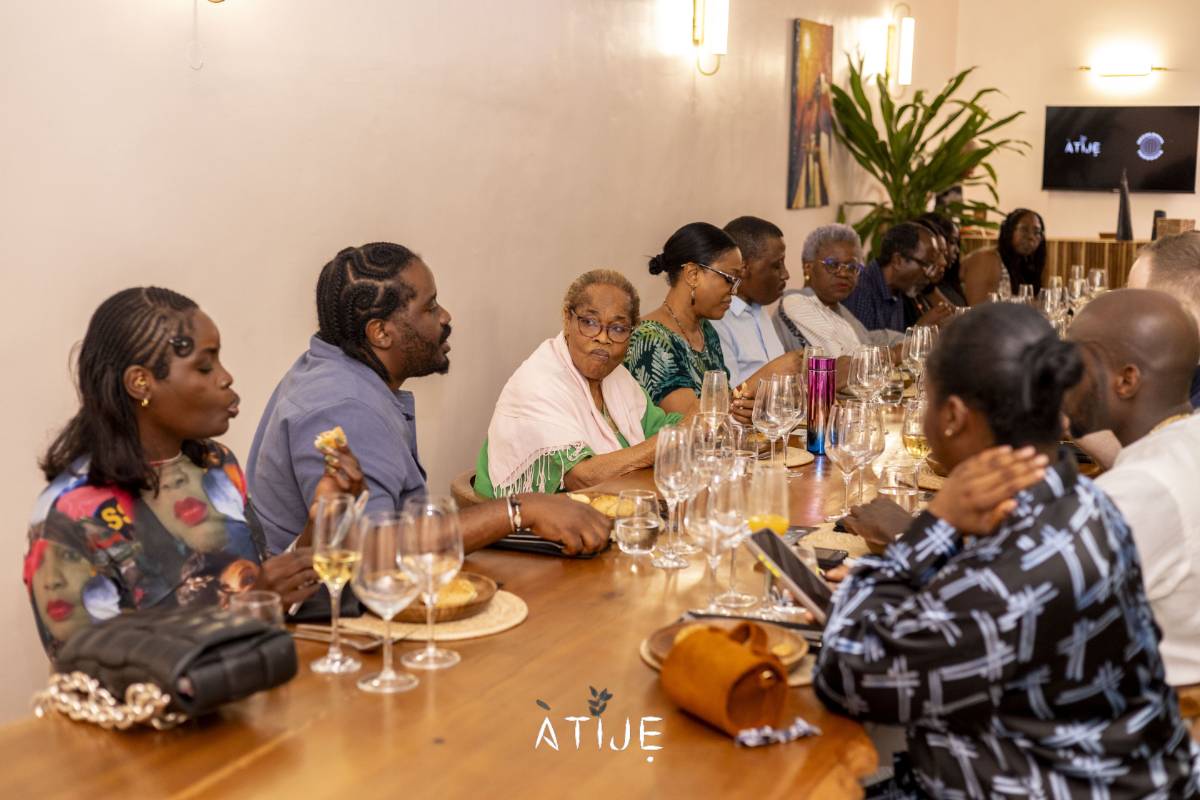
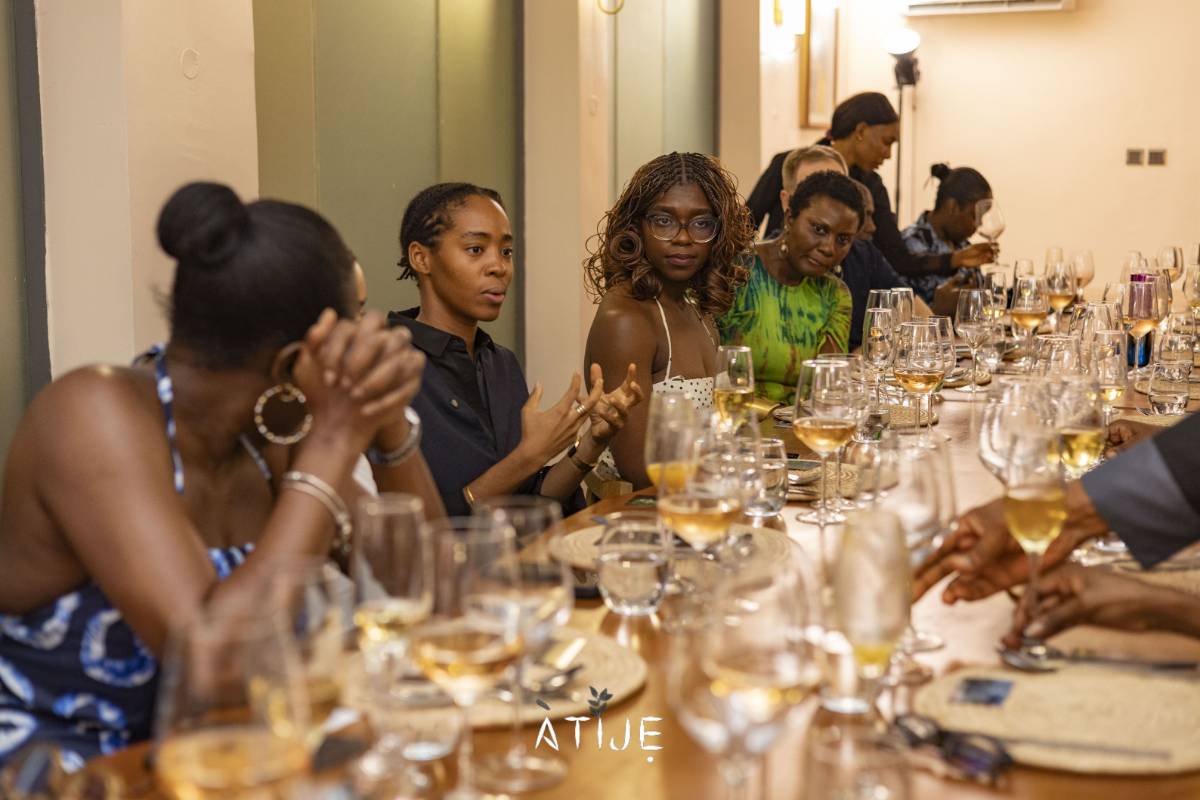
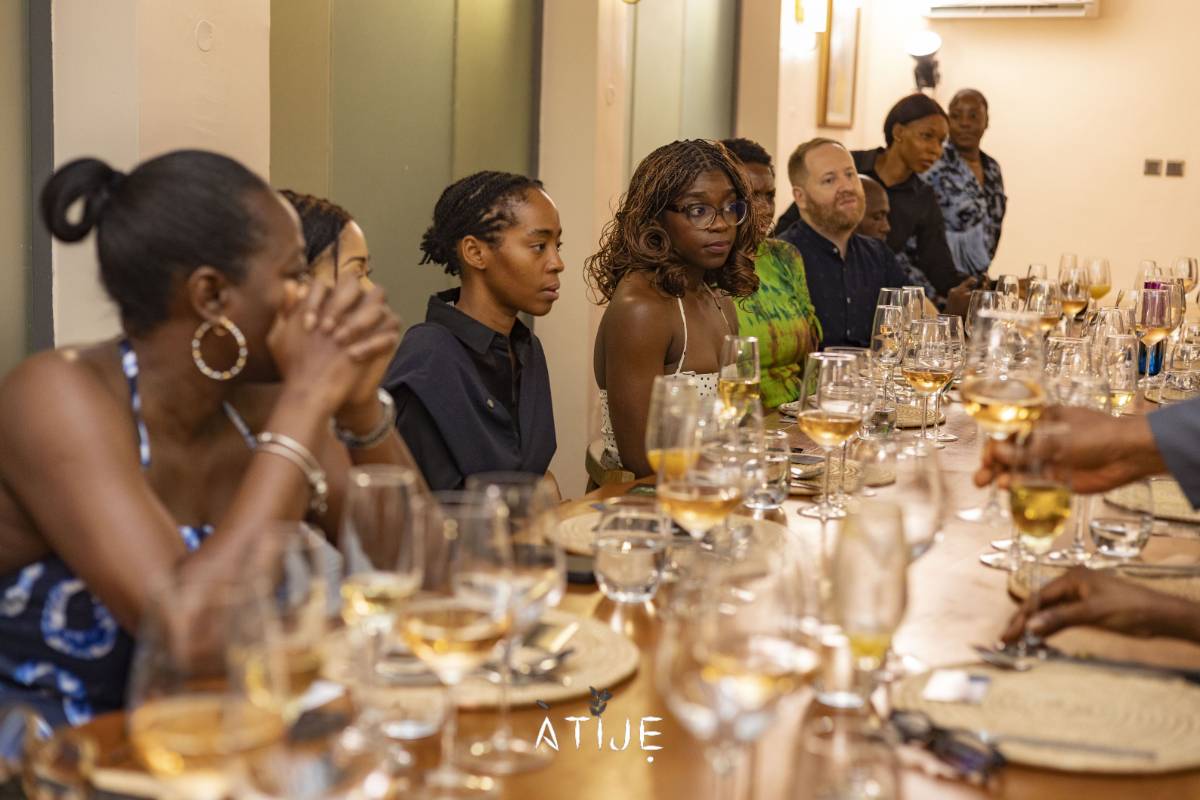
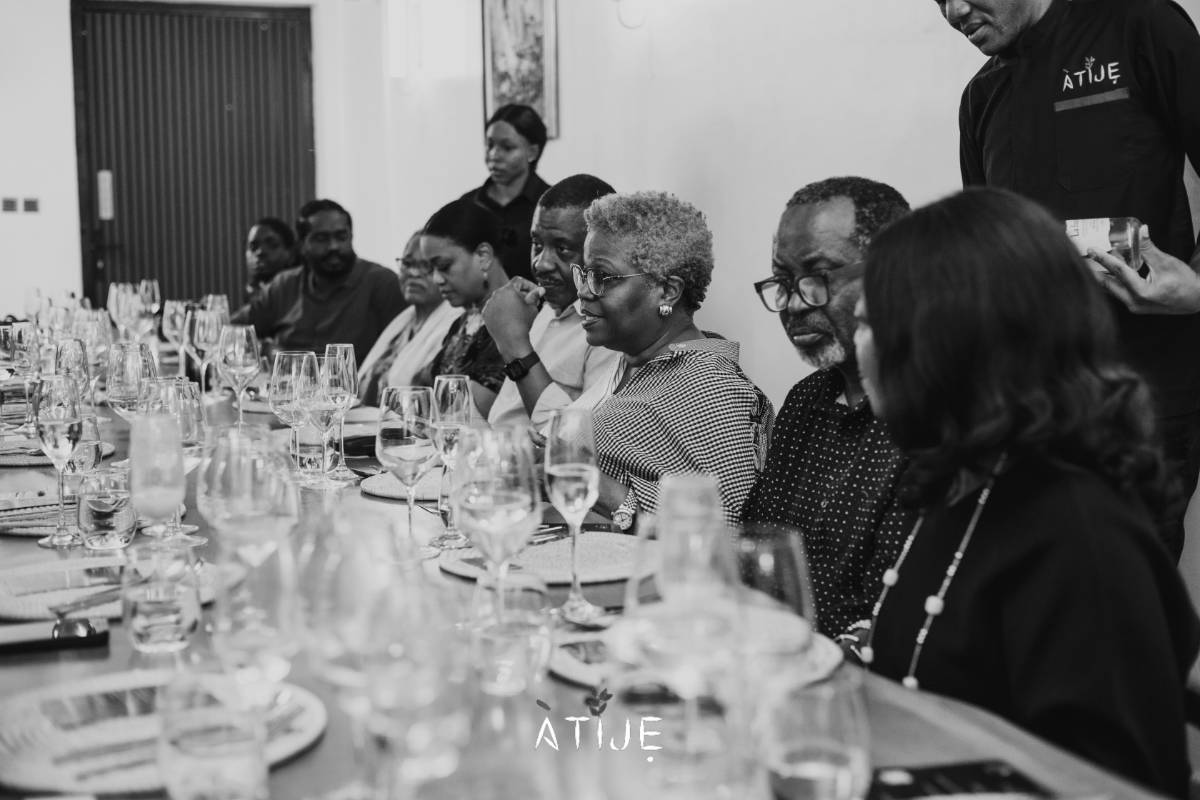
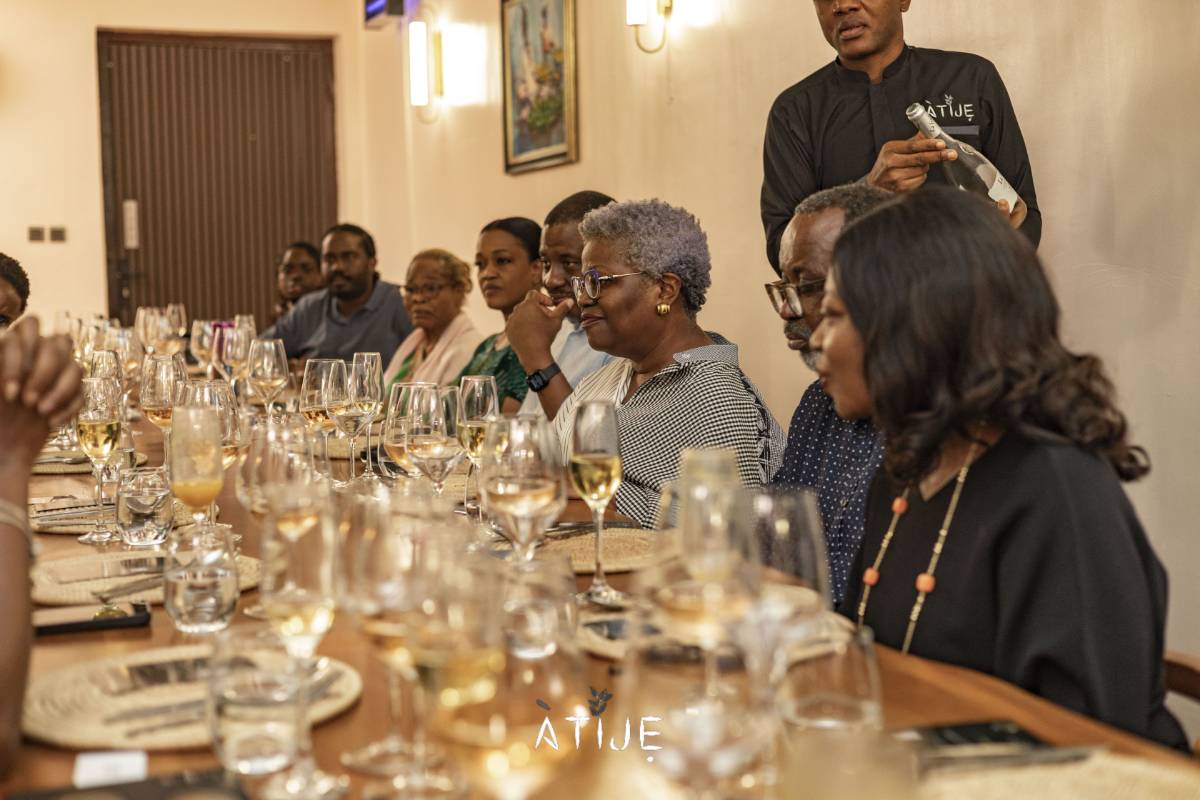
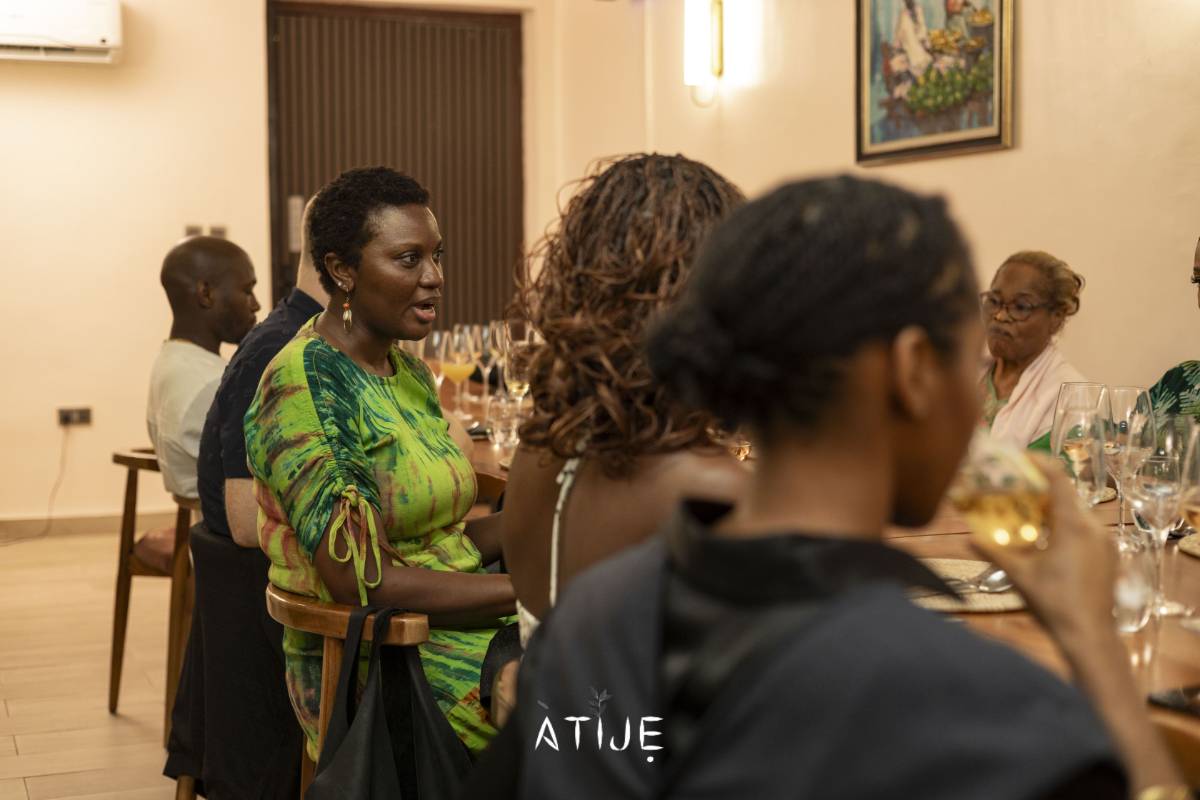
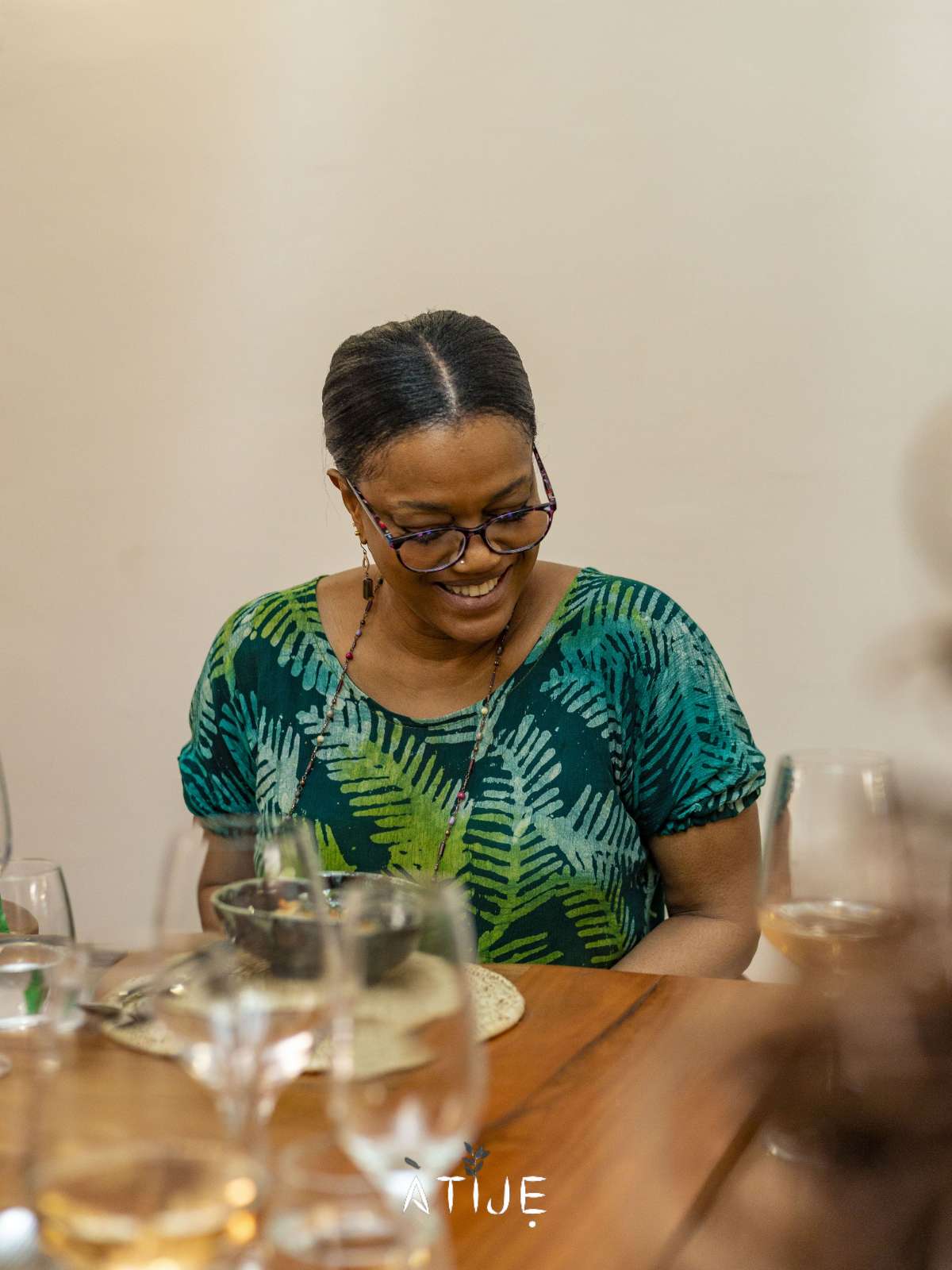
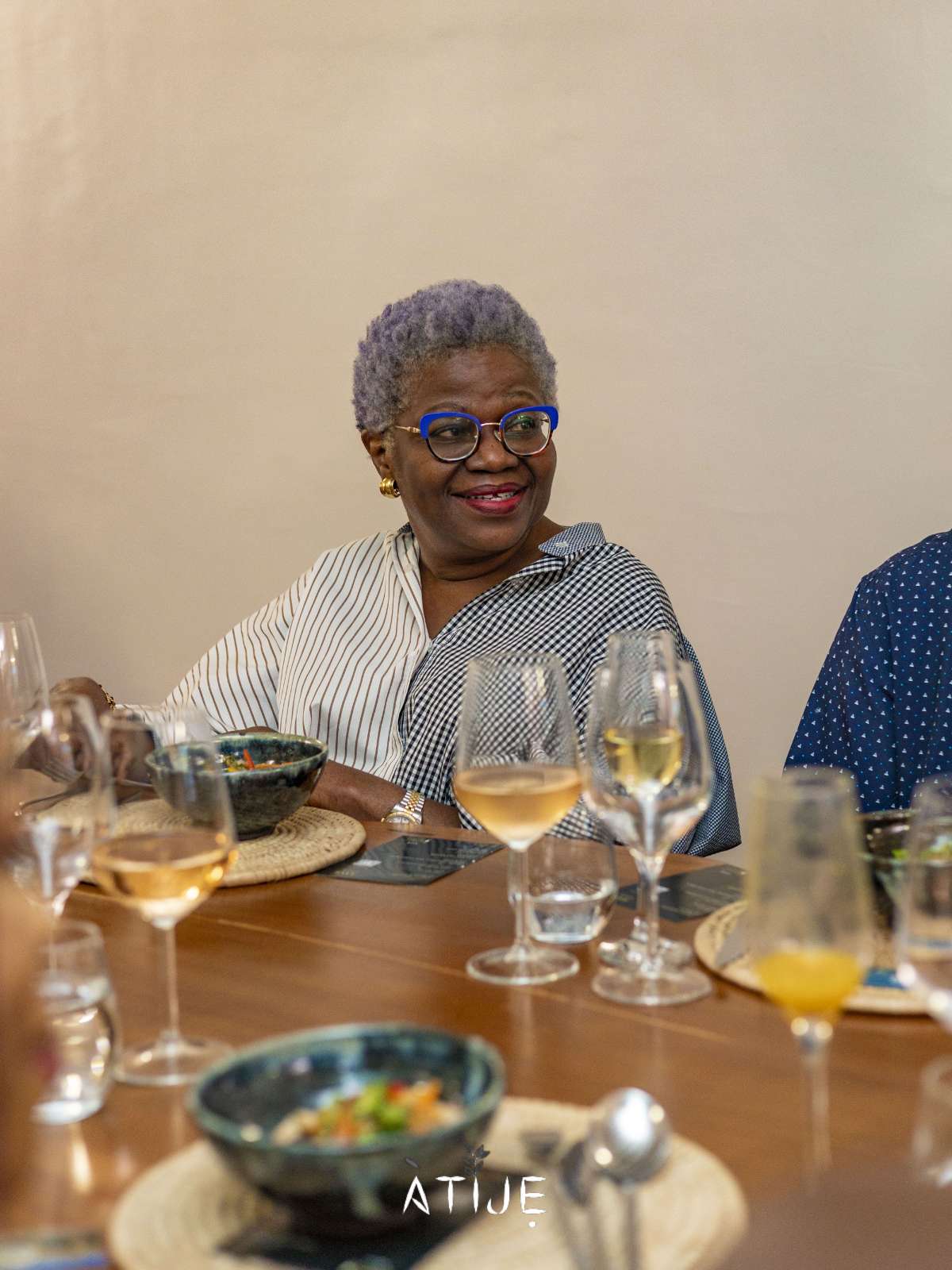
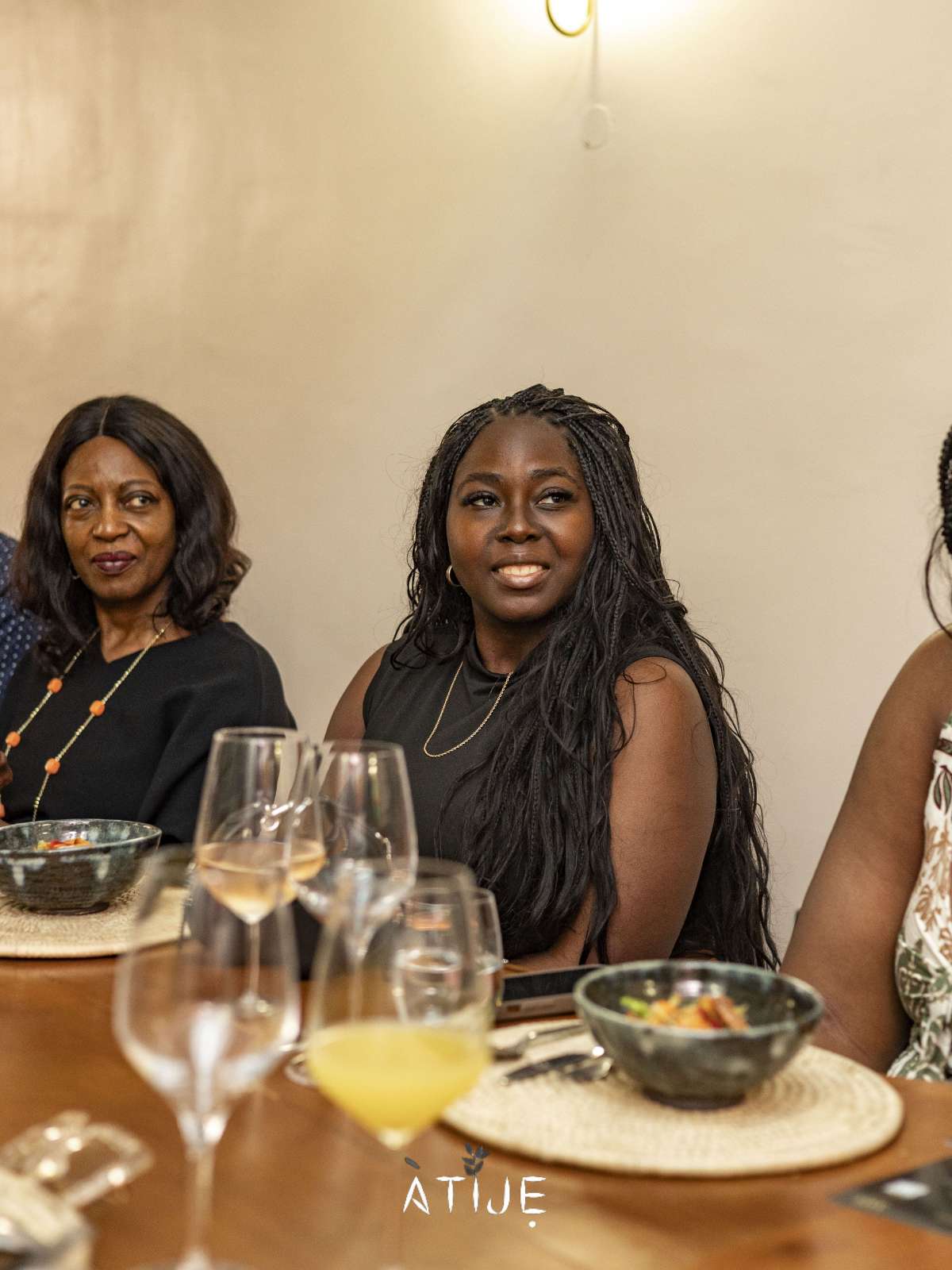
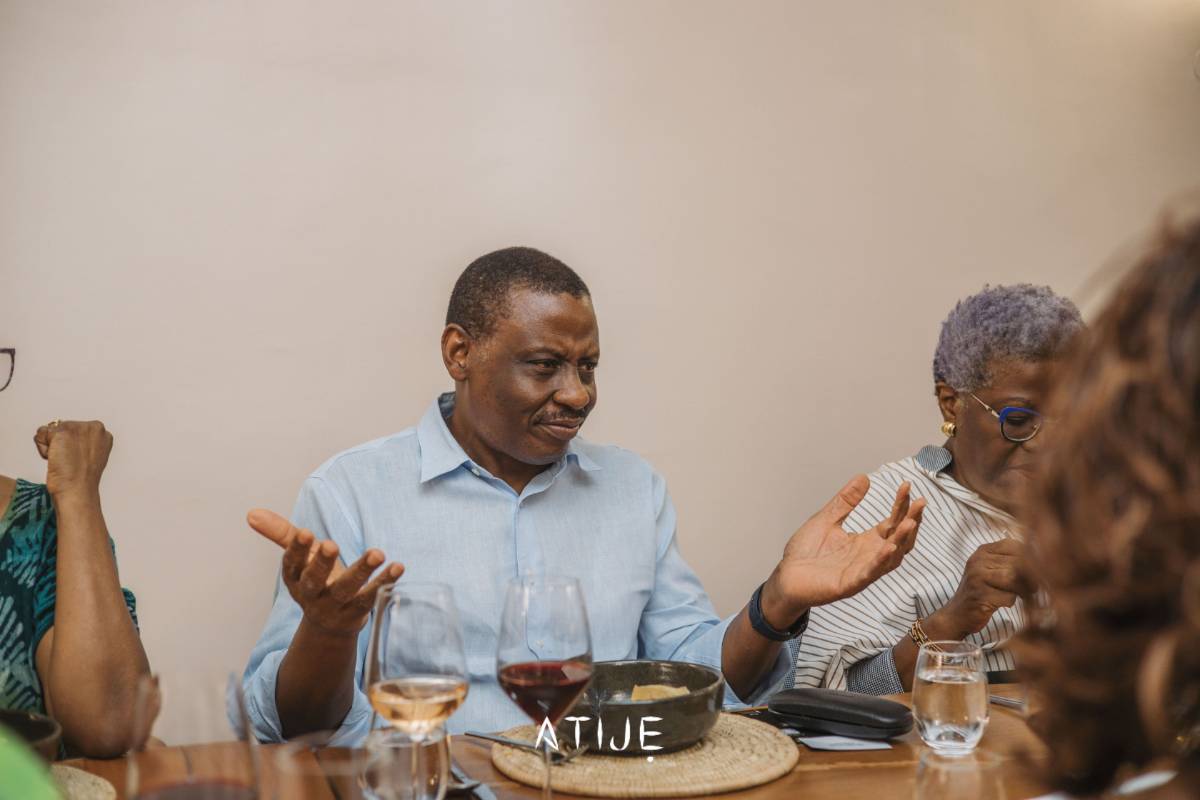
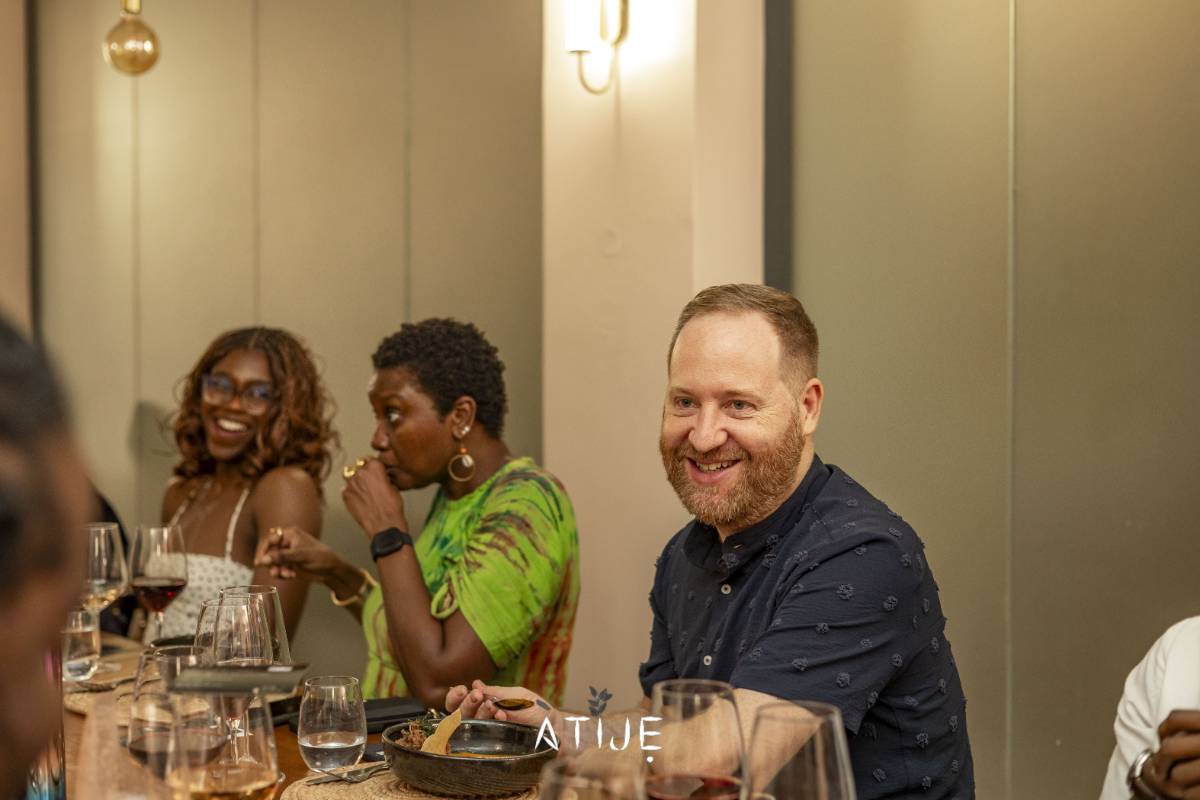
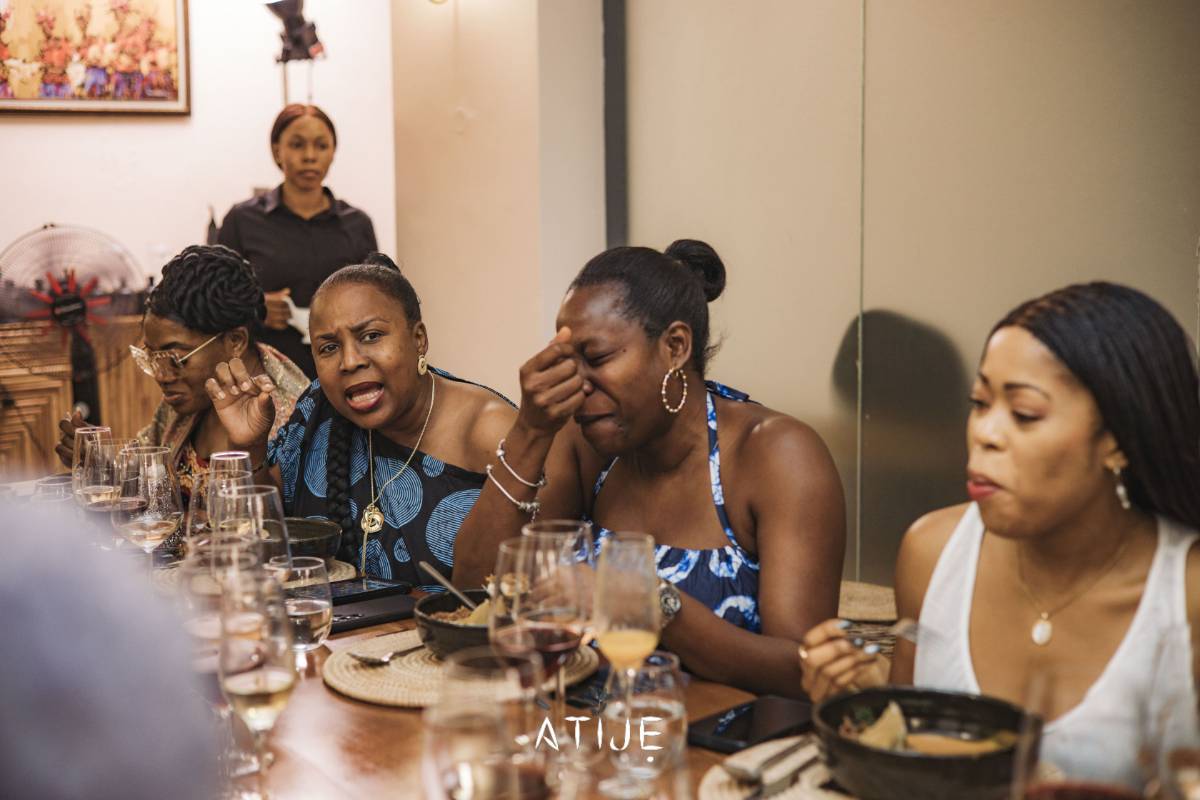
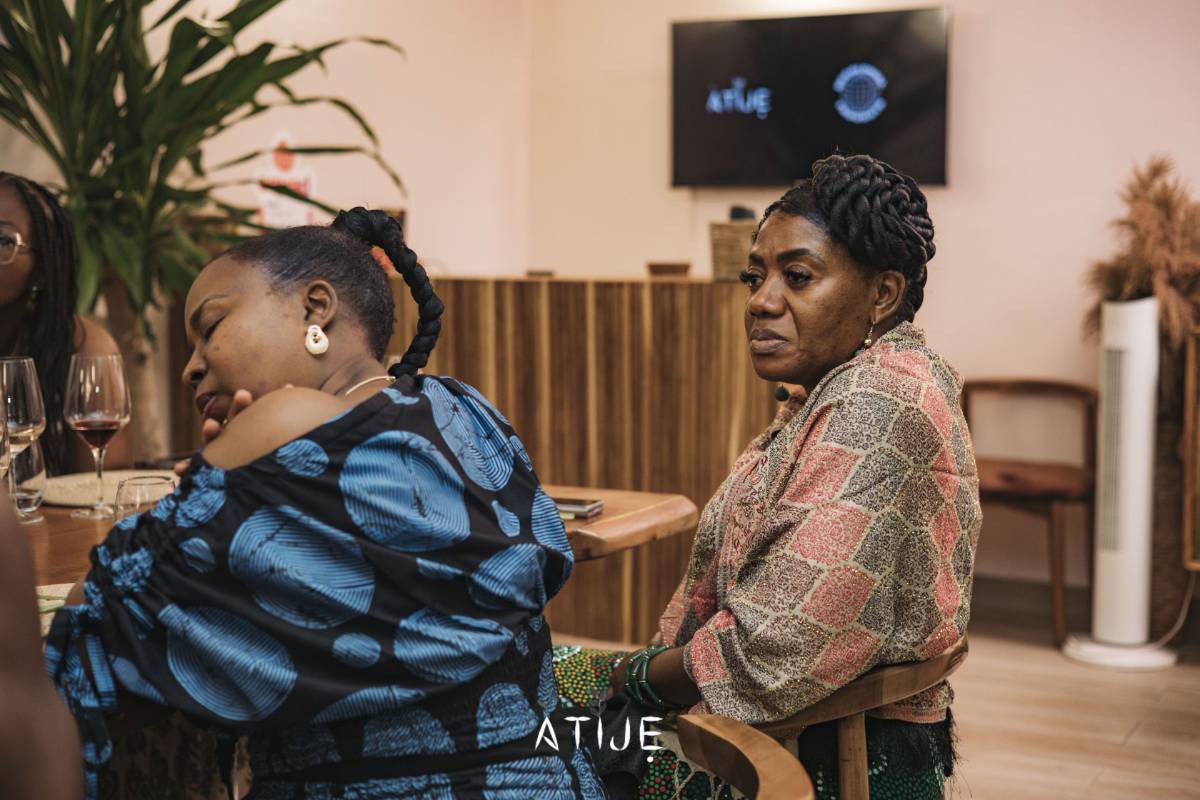
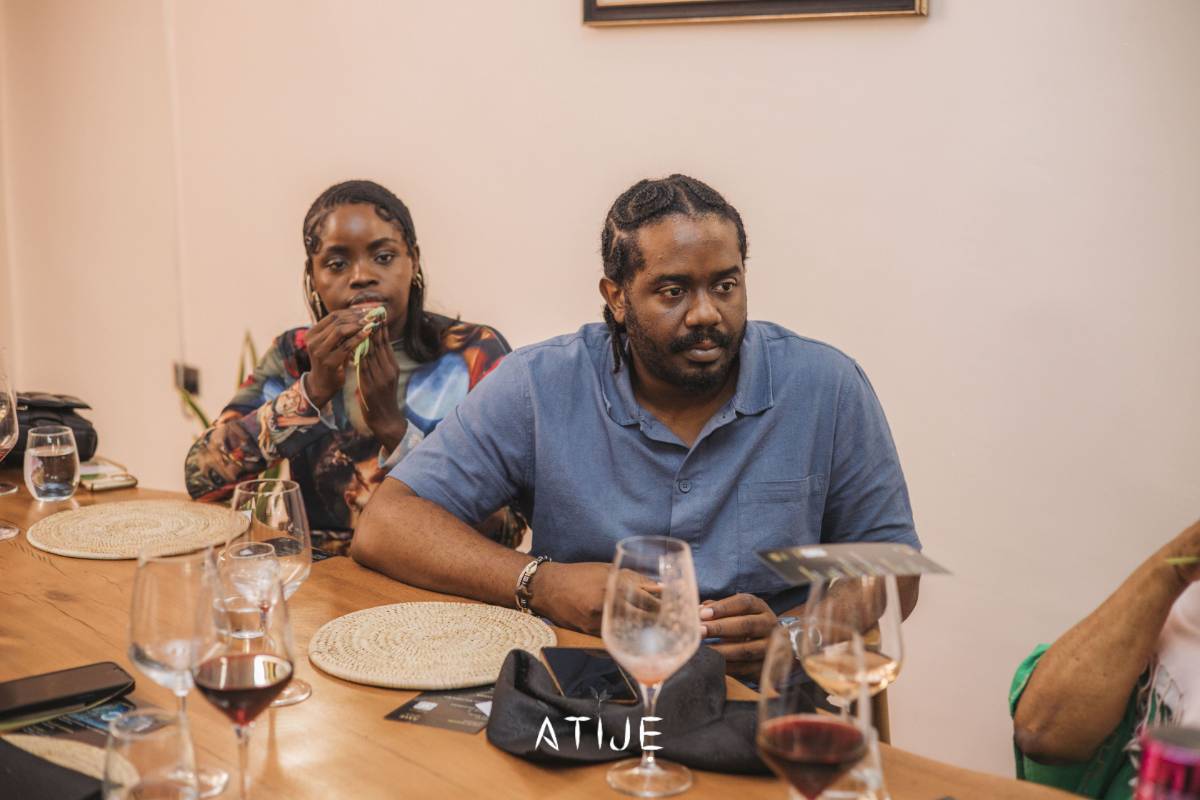
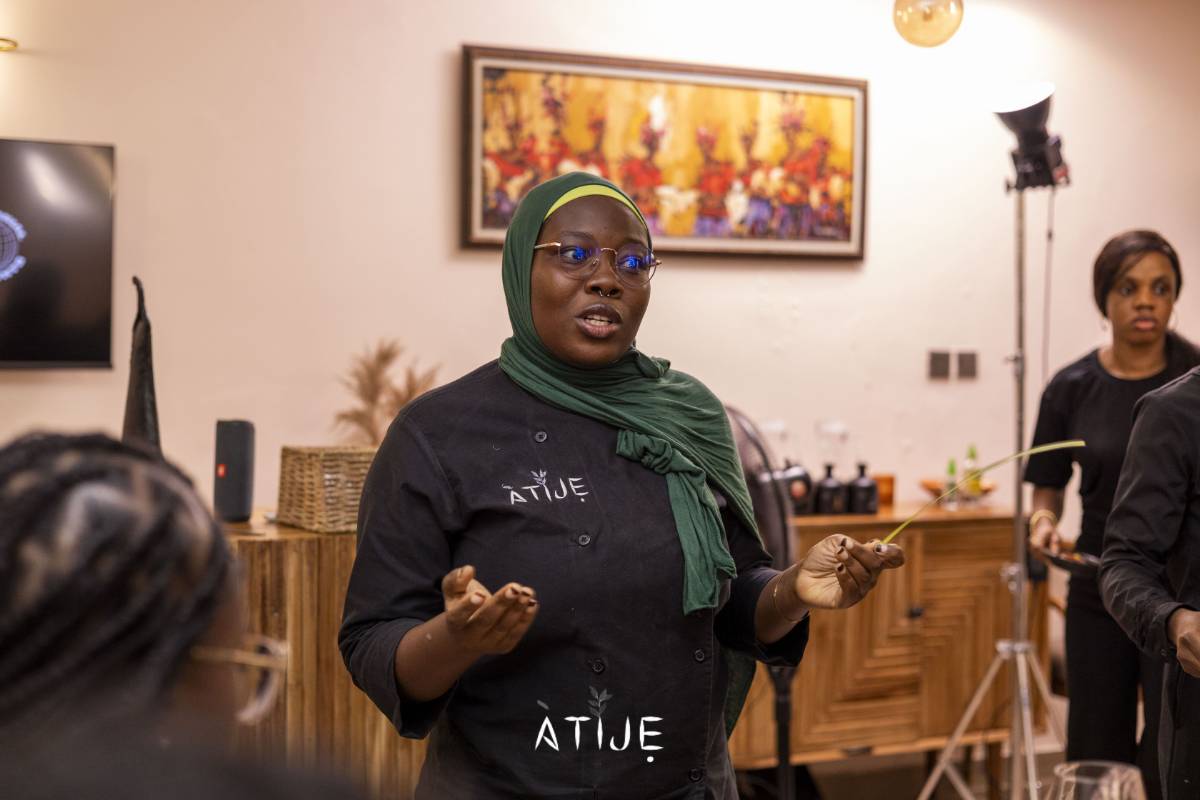
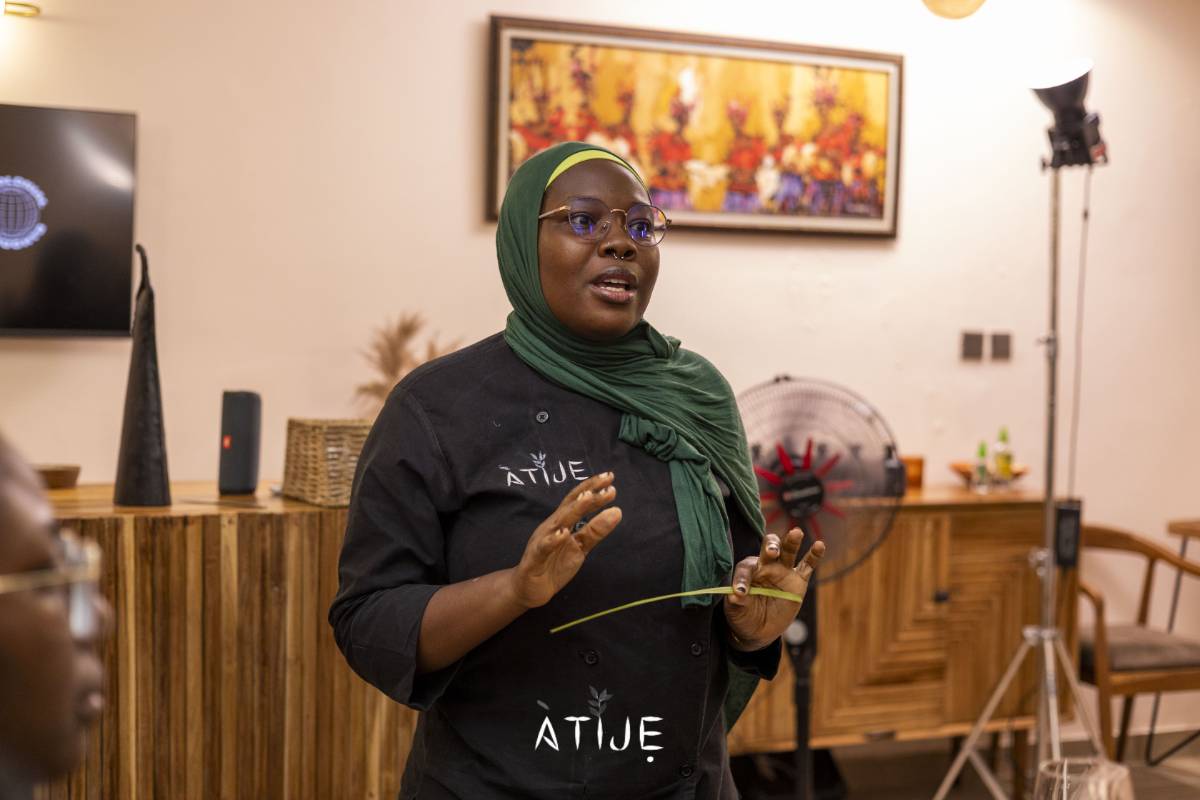
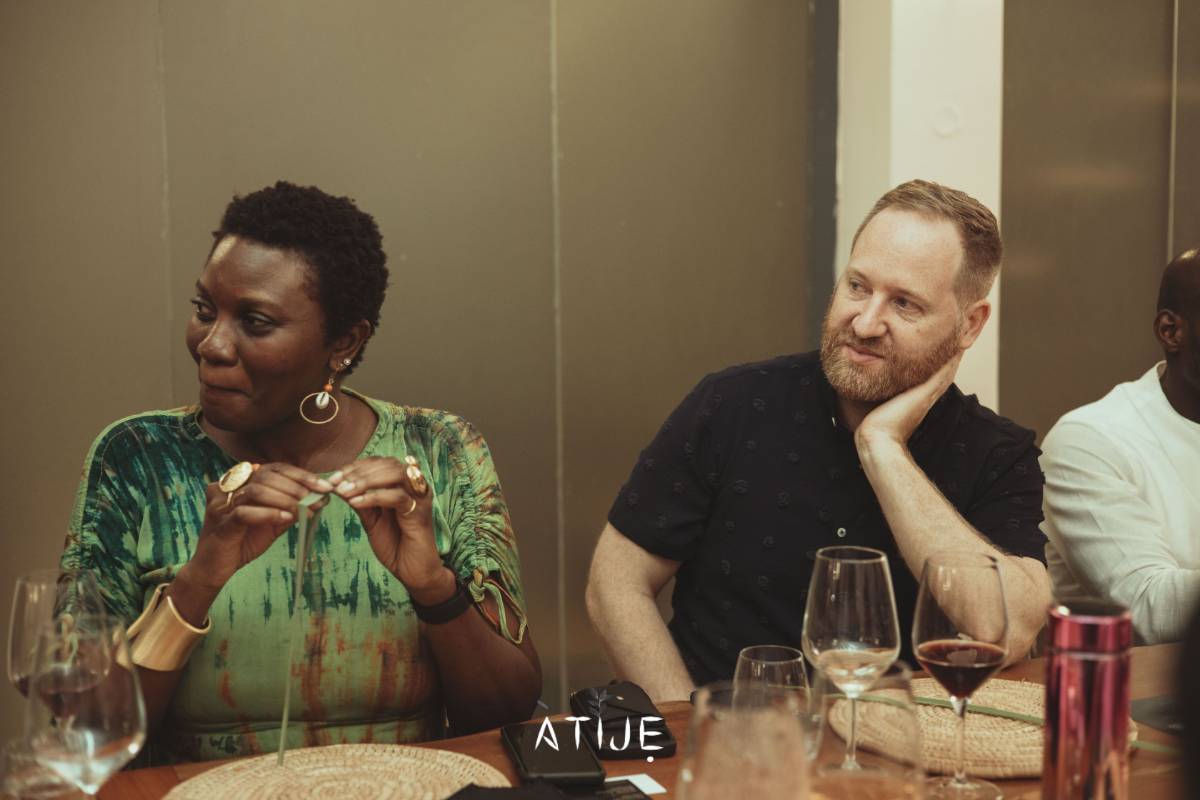
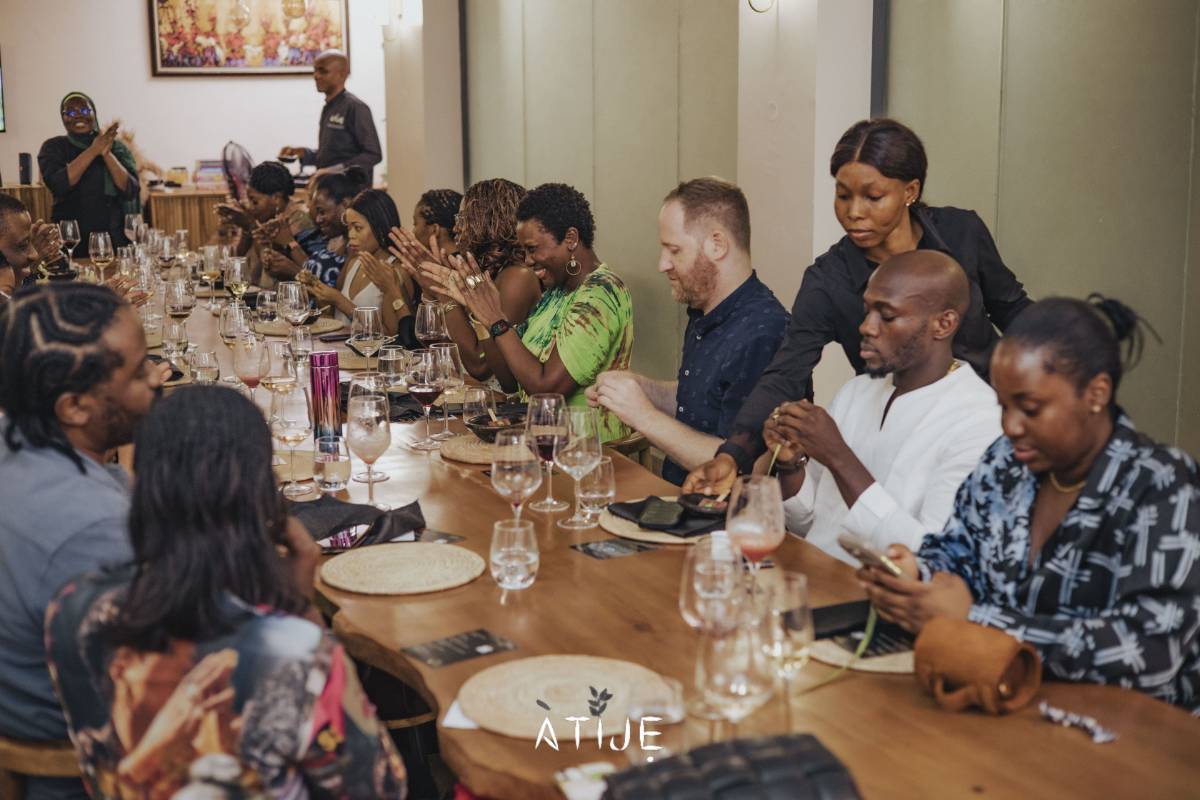
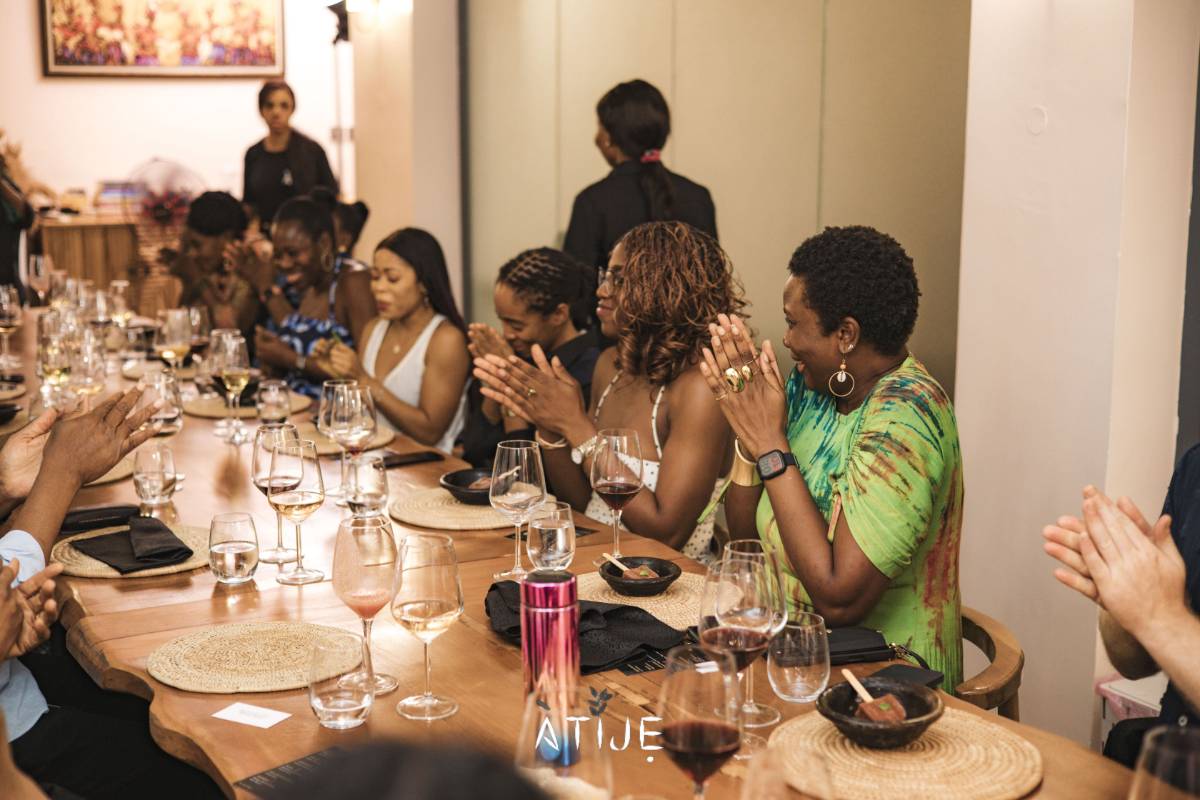
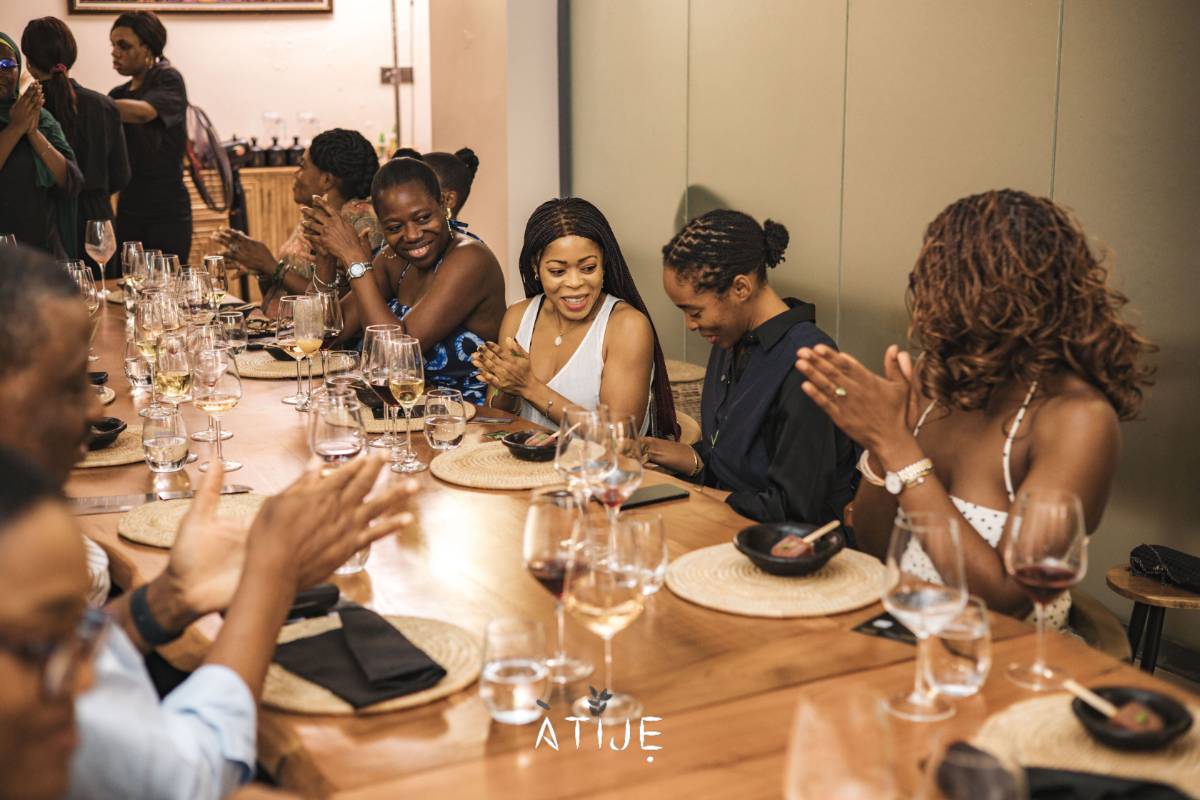
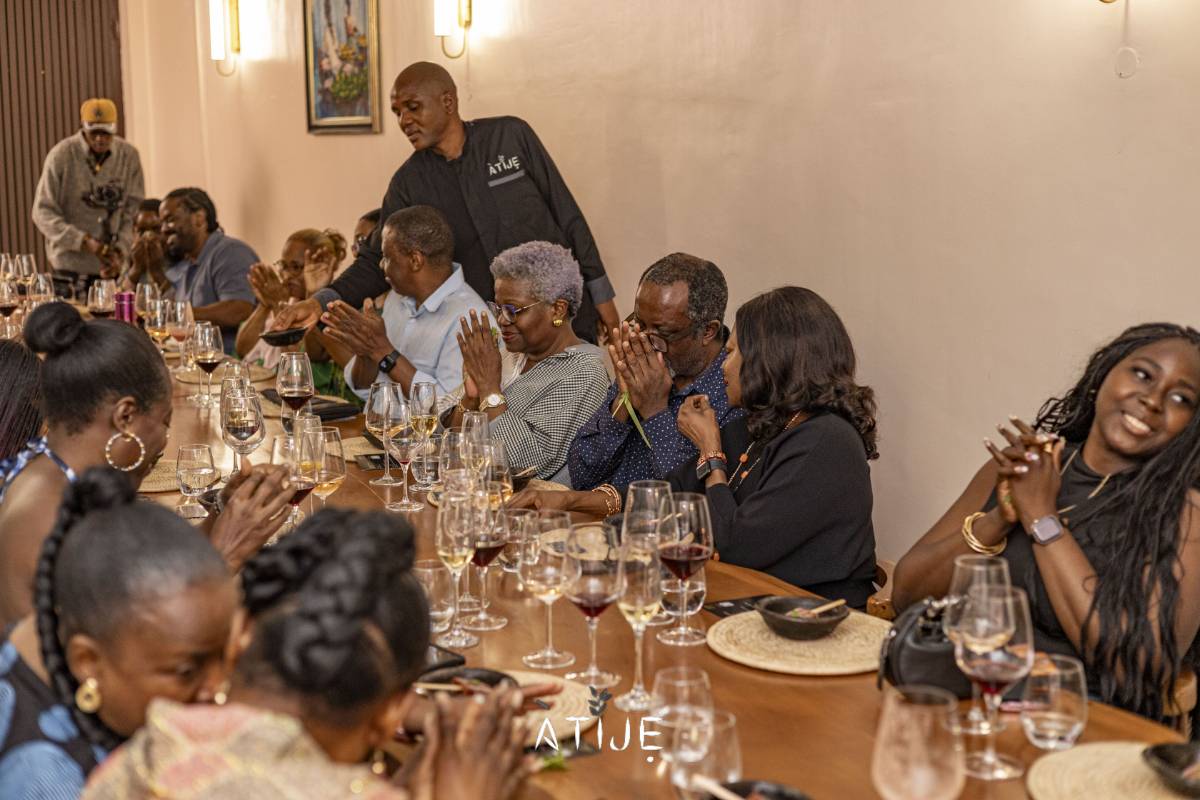
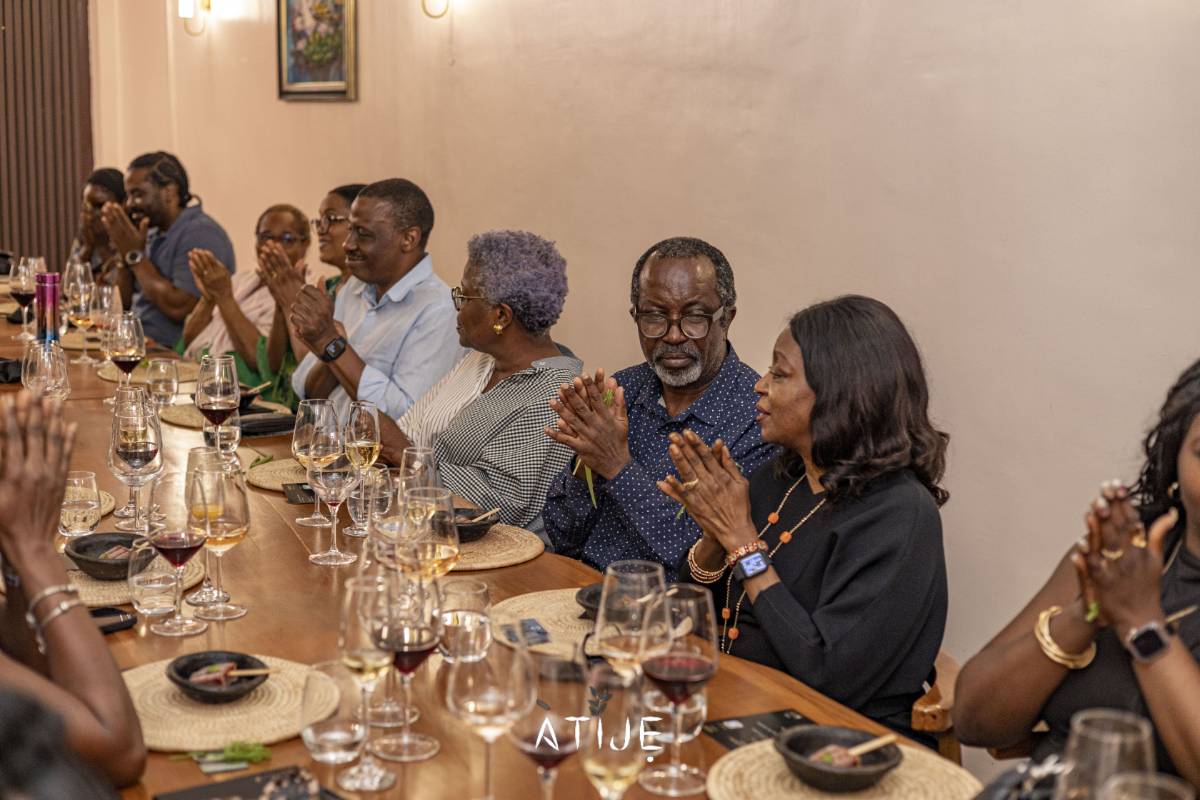
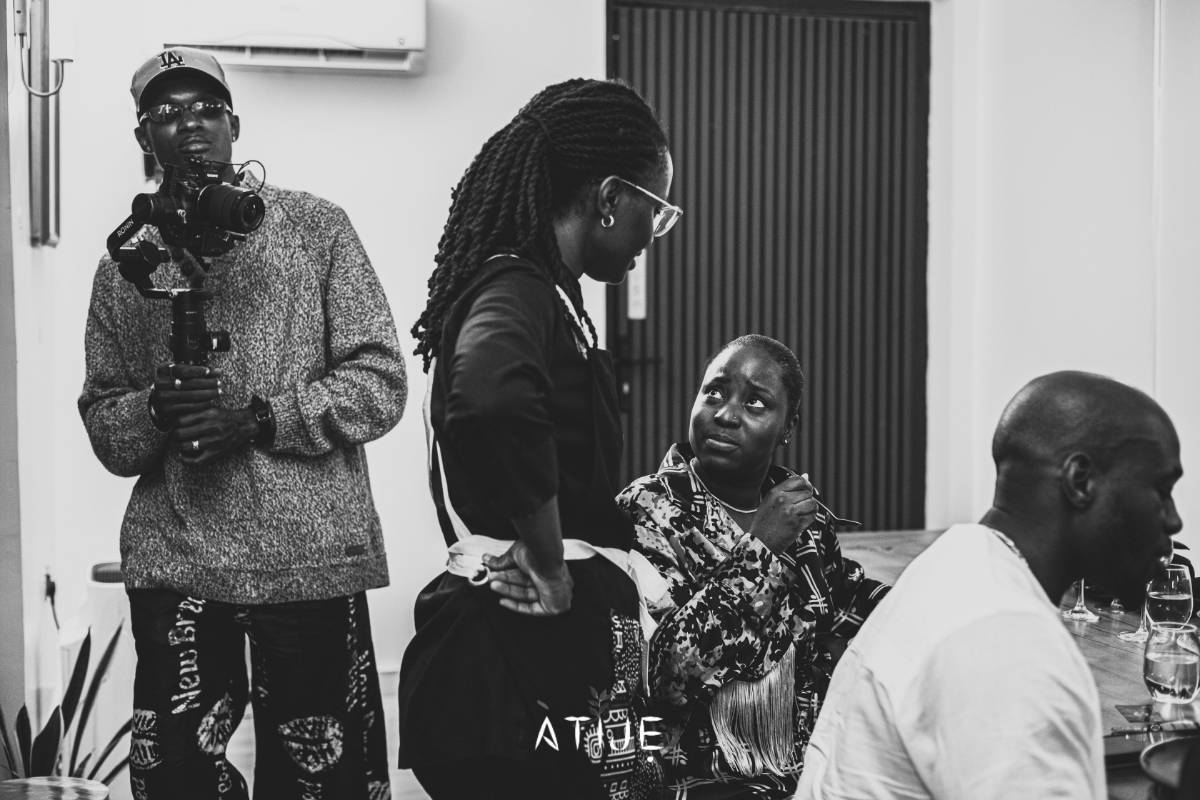
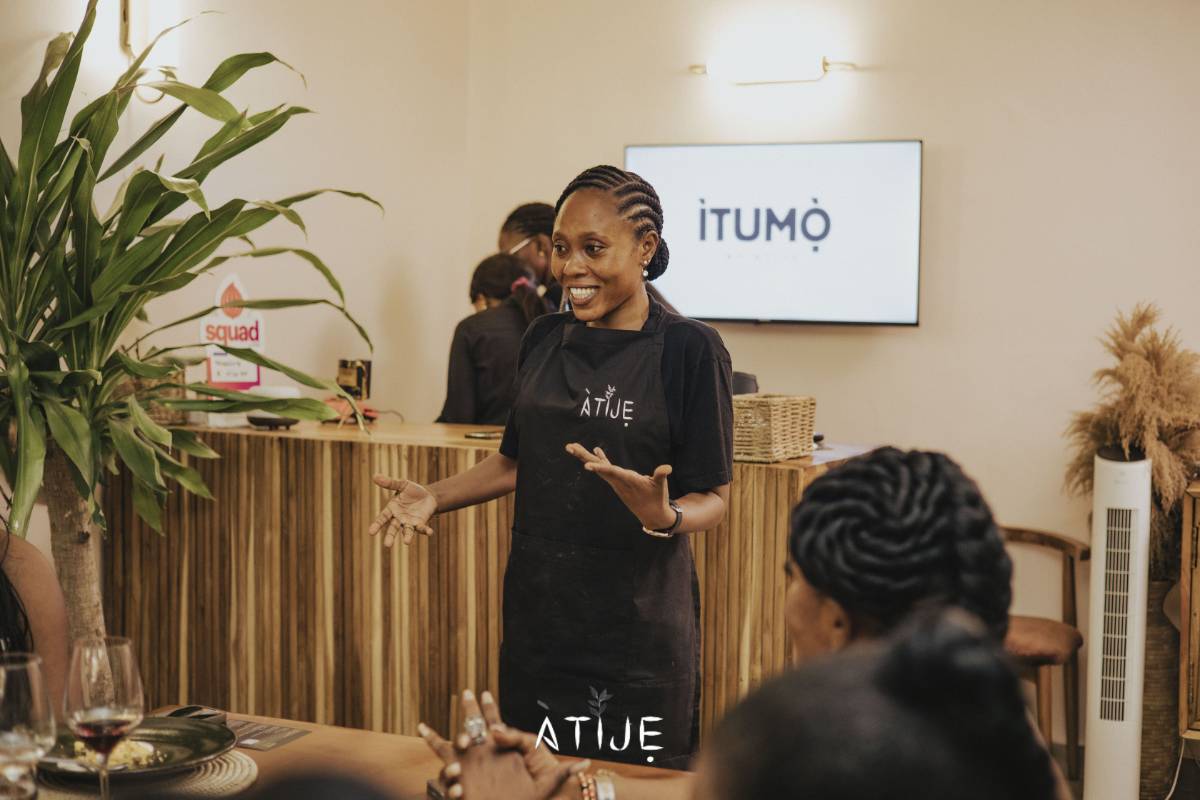
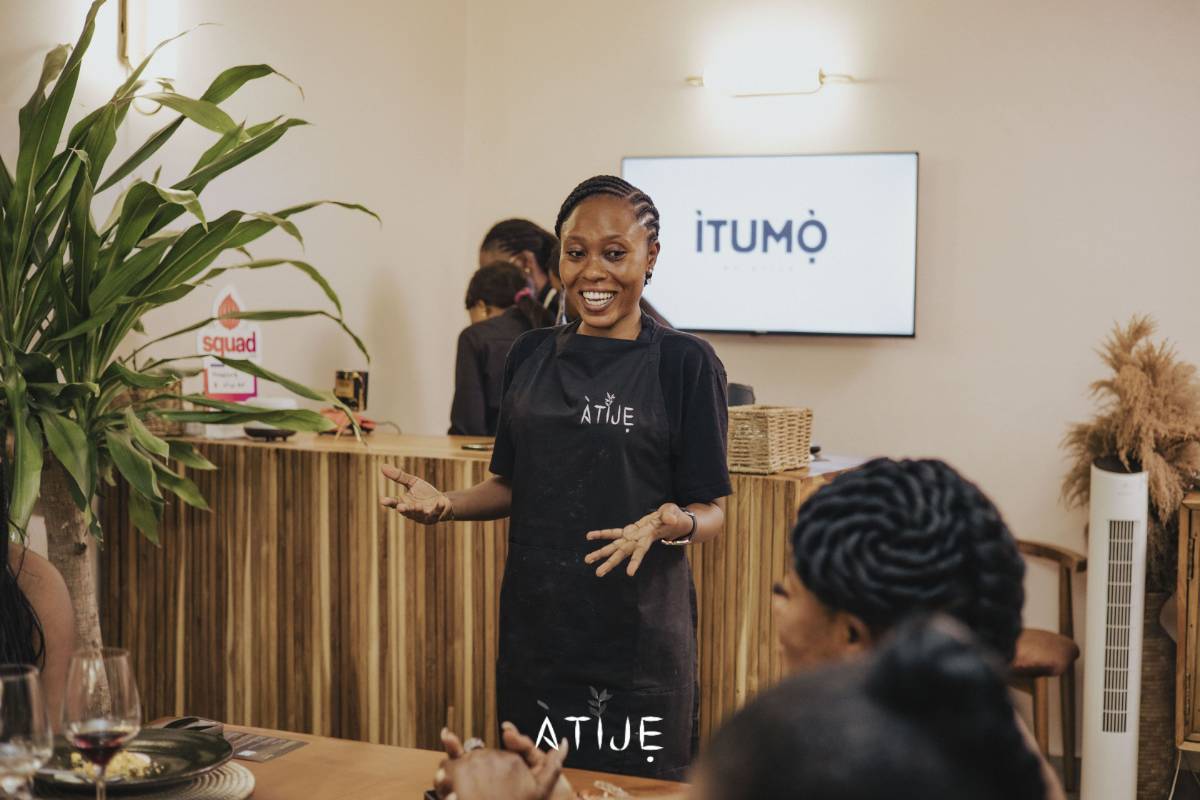
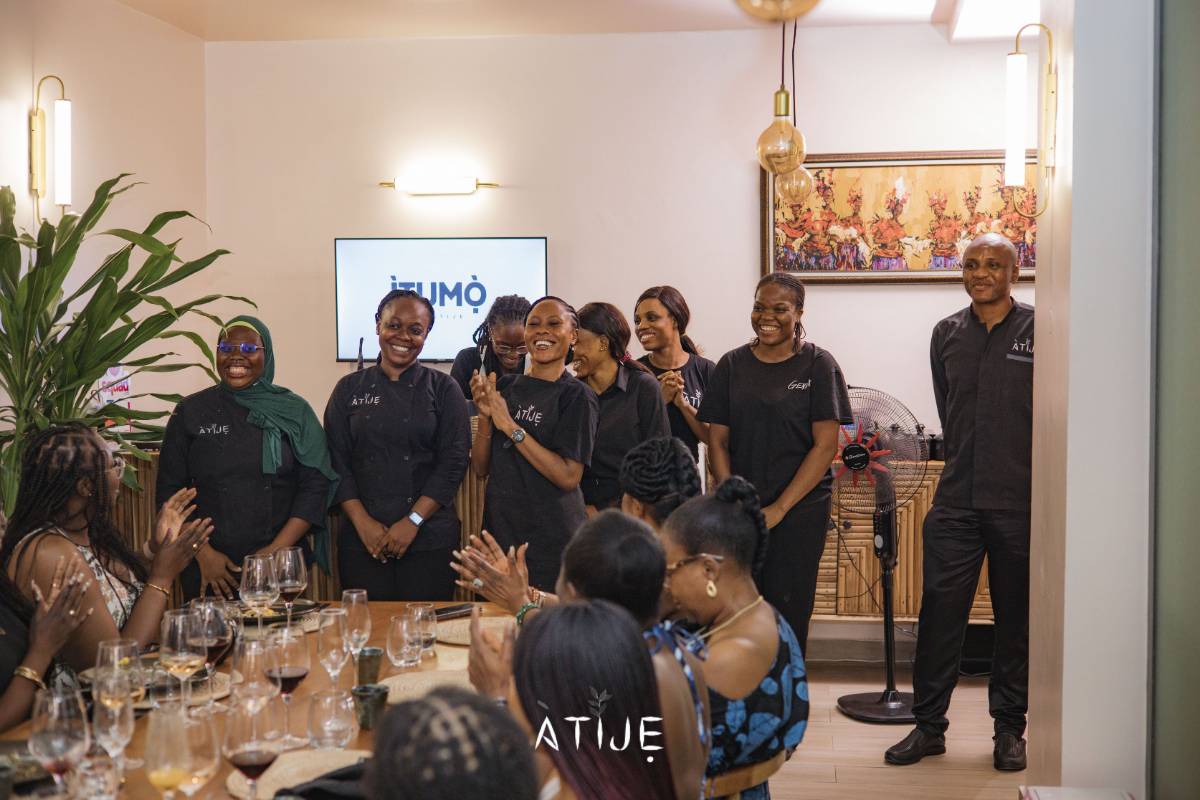
On 20 June, Decolonial Thoughts held its first conversational dinner in Lagos, Nigeria, in partnership with Atije. Architect Eve Nnaji of Add.apt guided the conversation. Set against the city’s housing and rental crisis, the evening centred on one urgent question: Who is Lagos being built for? Guests explored land not simply as property, but as memory, belonging, power, livelihood, inheritance and survival. Housing not merely as shelter, but as a reflection of who is permitted to remain in the city and whose lives its architecture is designed to serve. The discussion traced Nigeria’s movement from communal relationships with land towards increasingly individualised, commercial and privatised ownership, connecting this shift to colonial patterns of exclusion, displacement, luxury development and the shortage of affordable, climate-responsive housing and genuinely public space.
The conversation moved between government responsibility and individual or collective responsibility. Guests reflected on insecurity, flooding, poor roads and the reality that many residents act as their own government, privately providing water, electricity, sanitation and other essential services. Eve shared the example of a flood-affected community that had organised to demand change but feared retaliation, demolition and displacement, reminding the room that calls for civic action must also acknowledge the very real cost of caring and speaking out. Alongside the need for accountable government, the group considered how everyday stewardship, mutual aid, local organising and sustained collective pressure might begin to rebuild trust within communities.
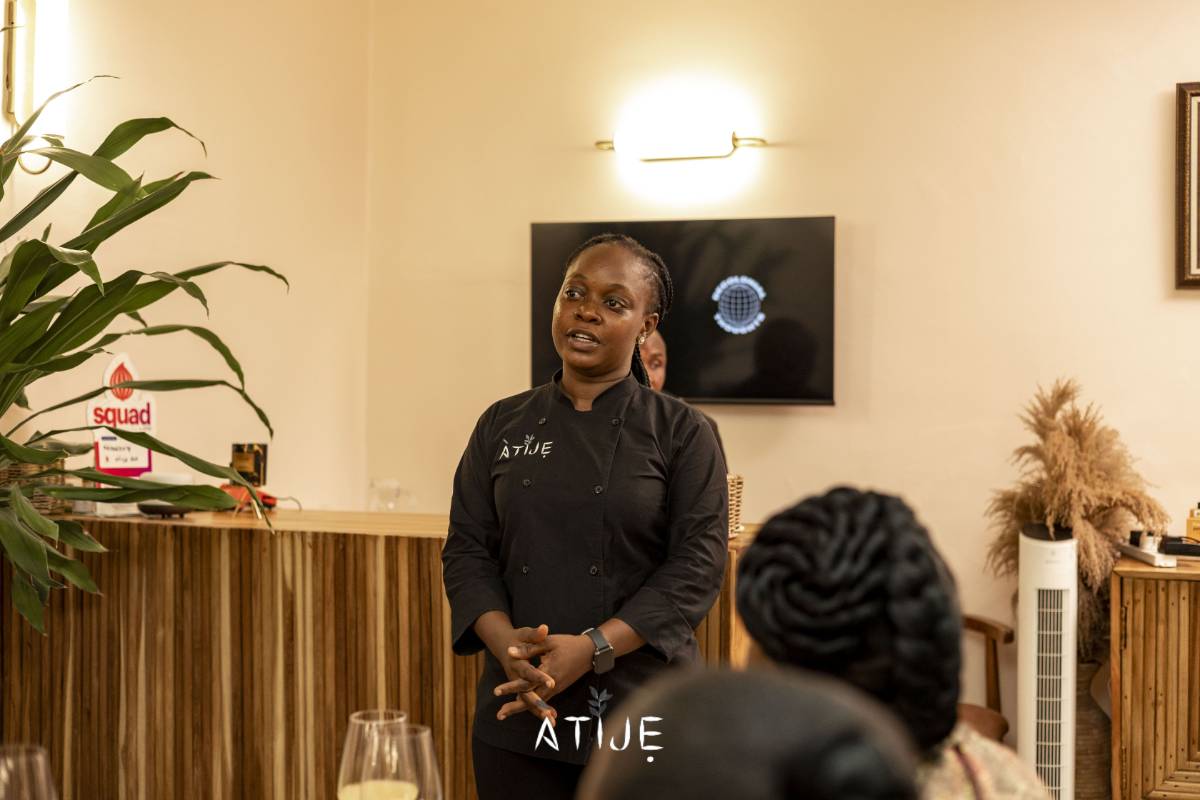
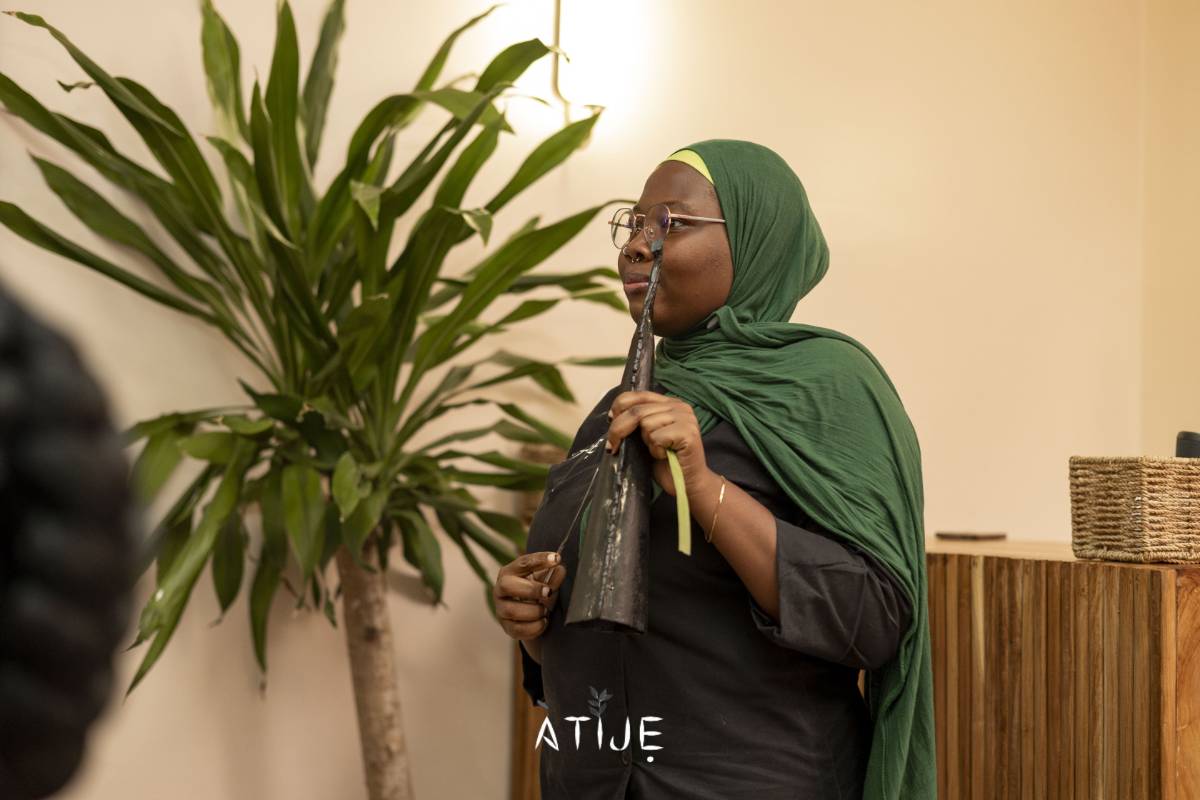
Throughout the meal, Chef Moyo and the Atije team returned the discussion to the land itself, highlighting the experiences of women farmers who do not own the land they cultivate, the disappearance of indigenous grains, and the effects of climate change and harmful farming practices. Eve closed the evening with a thought experiment: imagine waking to find every wall and gate gone. How would we treat our neighbours, streets and shared environment if we could no longer isolate ourselves? The dinner ended with a shared recognition that land, food, housing, architecture and community are inseparable, and that building a more liveable Lagos will require both accountable institutions and a renewed commitment to one another.
Visit their websites here:
Atije: (https://www.atije.com/)
Add-apt: (https://www.add-apt.com/)