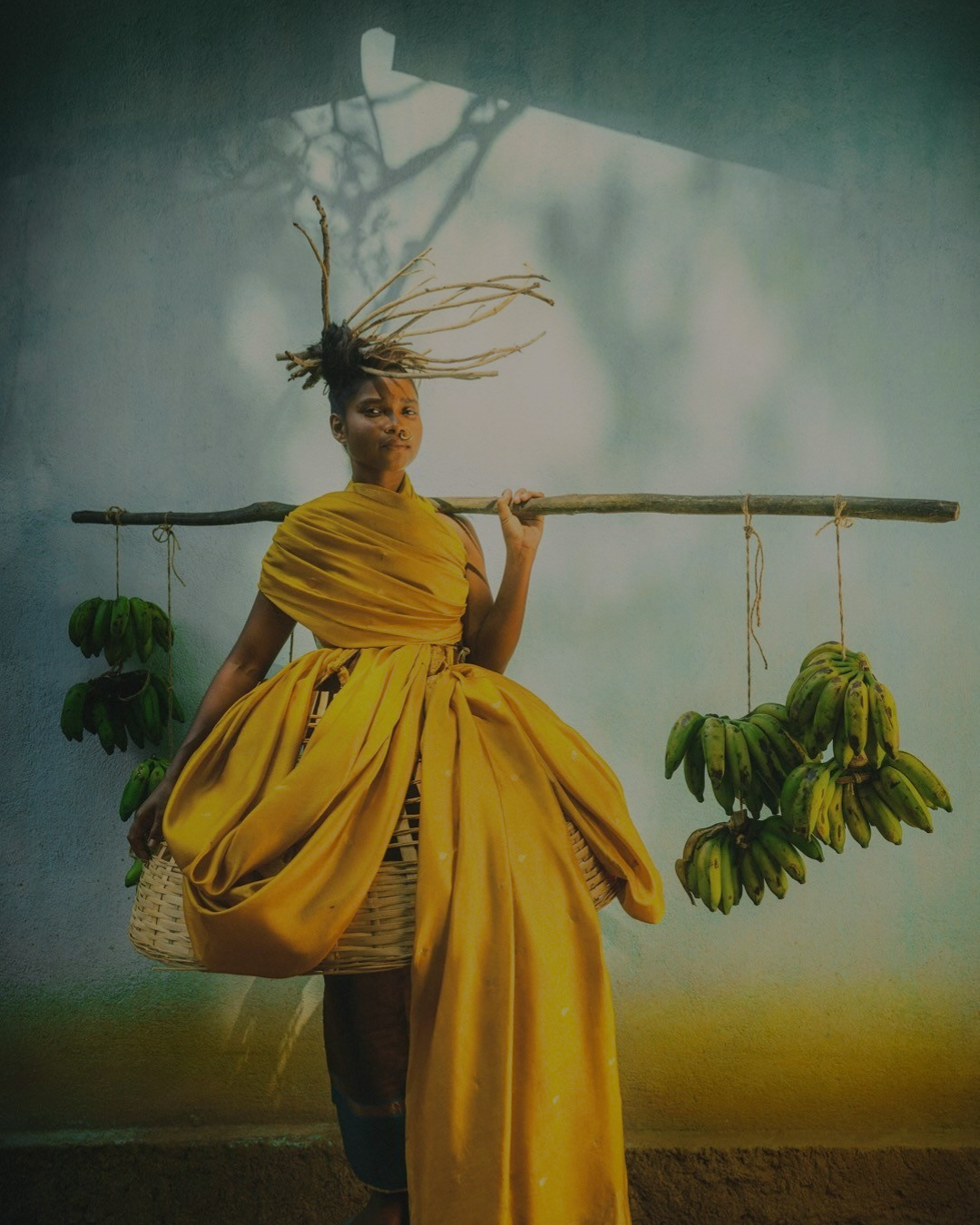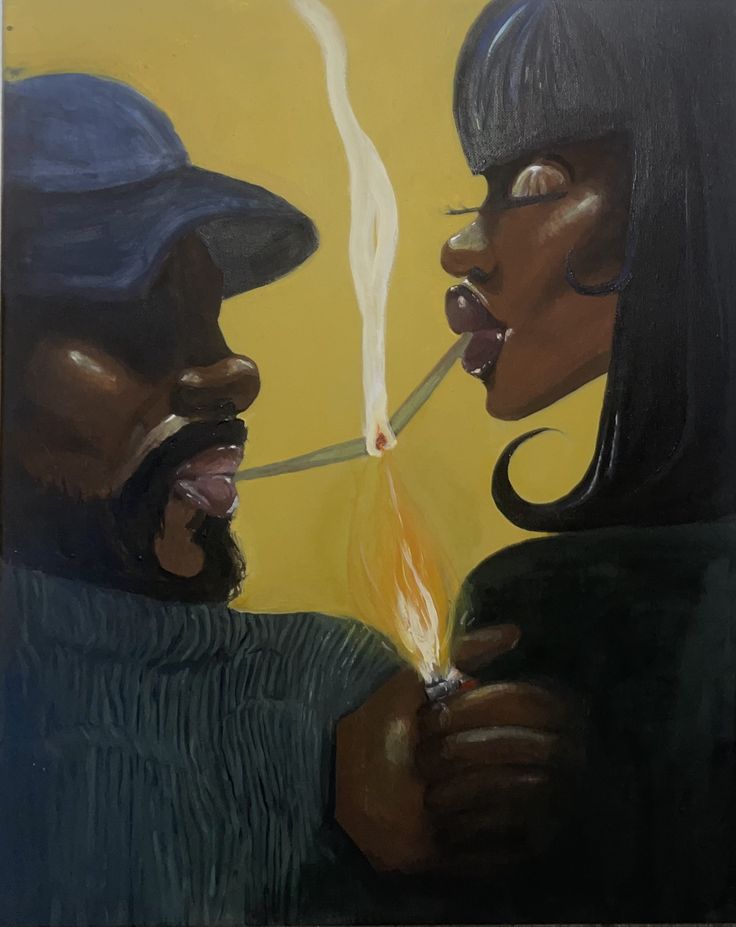
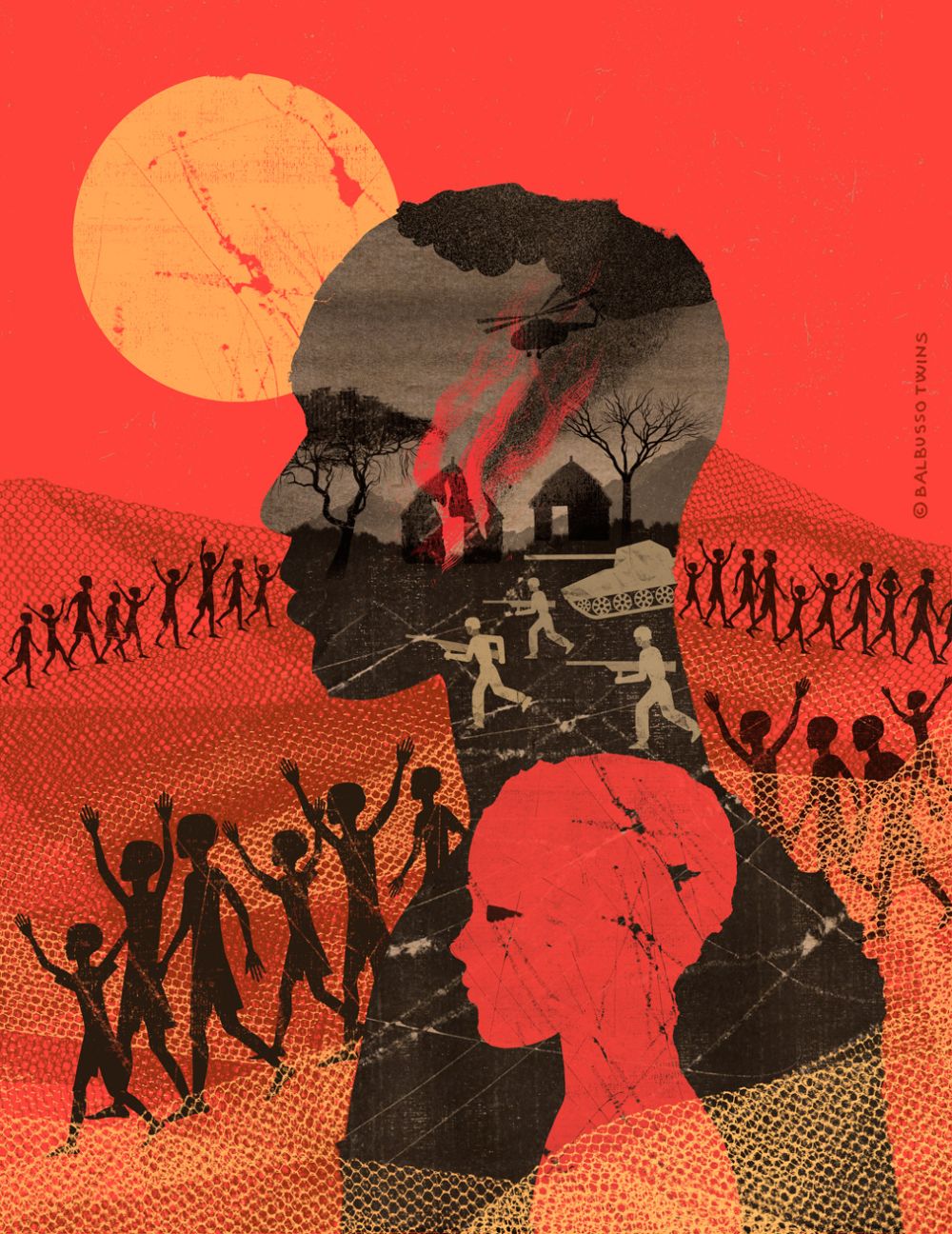

Okay, so we all know weed is ‘bad’. In the sense that anything that yields psycho-physiological and long-term behavioural effects presents a danger. But it is necessary to consider the good things that have come from marijuana as well, so far as it pertains to our contemporary moment: Weed gave us Snoop Dogg, Lil Yachty, and sustains at least 80% of the US rap game. Weed gave us Adult Swim. Weed gave us […]. The spirit of weed, one could argue, however, has since been forfeited in the proliferation that became green the colour of everyday indulgence rather than “savage excess”. In Cristina Boseman’s journal article ‘Diaries from cannabis users: an Interpretative Phenomenological Analysis’, she cites Lopez-Pedraza’s research in corroboration of weed smoking as something of a transcendentalist escape; a motion inward, away from the ‘titanic elements’ of our everyday society and into the recondite part of our psyche. In the absence of what was once a sacred use of mind-altering substances in our society, now erupts a toxic use of them and a misappropriation by the very colonial powers who once framed them as dangerous and uncivilised.
While it remains illegal and heavily regulated in many Western jurisdictions, marijuana frequently appears in mainstream entertainment as a harmless comedic device. At first, series such as Superstore and Grey’s Anatomy began to casually incorporate marijuana into sustained, albeit purely comedic storylines, benign in its indulgence rather than a dangerous and illicit narcotic. In contemporary television, however, cannabis has become narratively unremarkable, a casual aside, a function, an incidental background detail. The cultural identity of marijuana as a mystery indie drug wilts unobtrusively coming into the fin de siecle of the twentieth century, reemerging again as a non-entity that augurs neither conflict nor moral concern. Now it appears on television as a narrative gag rather than a serious social problem, with those who regard it as such being mocked and satirised. Yet these portrayals raise important questions about audience, power, and representation.
I begin with Superstore and Grey’s Anatomy, as broadly liberal television that aired during politically charged moments in the recent United States’ racial imaginary, because they reveal how liberal attitudes towards marijuana are most readily articulated within predominantly white or neutral ‘race-denied’ workplace environments. That is, where the characters’ races only become legible to the narrative during what used to be called ‘A Very Special Episode’ but is now the B-plot to anything airing on a Thursday night on ABC — or any given The Pitt episode. Anyway, my point is that these spaces operate to disassociate drug use from racial identity, effectively erasing its historical link to non-white communities. In this disembodied context, cannabis is rendered safe and culturally permissible.
This article interrogates in whose hands a drug might be determined ‘medicinal’ and argues that the meaning of cannabis has never been intrinsically attached to the substance itself; it has instead been shaped by imperial history. Again, white characters using weed are quirky or stressed professionals unwinding or Rachel Sennot. Conversely, Black and Brown characters using drugs are criminalised and irresponsible. So the drug is the same but the narrative framing changes with race.
The expansion of drug supply and drug markets globally was “an innate process of globalisation,” which is to say that drug markets historically expanded organically alongside colonialism and global trade. Correspondingly, the visualisation and media portrayal of drug use evolved with this expansion as globalisation came to reshape cultural exchange, shifting Western television away from ‘[The] Very Special Episode’ toward sustained narratives centred on substance abuse, even its manufacture and supply. As David Courtright highlights, like other global commodities, drugs were influenced by technological changes and significantly increased “the gross tonnage of supplies and trade”. And so, as any resource so cunning and malleable as to assume a different shape under a different palm, cannabis is not inherently one thing; it is also made legible through authority.
As previously mentioned, colonised populations used cannabis in ritual, medicinal, and social contexts. South Asia saw its incorporation in devotional practice and festivals, and parts of Africa saw communal gatherings and healing remedies for pain and fatigue. Criminalisation, thence, functioned as a regulating tool to streamline and, thereafter, homogenise on a global scale, a way to discipline racialised bodies. Global control initiatives focused on regulating and restricting supply to socially determined notions of legitimate use. Correspondingly, drug prohibition functioned as a mechanism through which colonial states could police not only substances but the cultural practices and autonomy of said populations. As McAllister and Spillane write: “The central question at the turn of the twentieth century ‘was not whether the state would ultimately restrict some aspects of distribution and sale, but whose authority would be privileged in the process of creating and implementing those regulations’” (Spillane and McAllister, 2003, s.6).
This is further complicated by the fact that cannabis has since been legitimised through Western medicine. As medicinal cannabis requires diagnosis, prescription, and institutional approval, it confirms what Indigenous and non-Western knowledge has long known: that cannabis has always had medicinal properties. The only thing that has changed now is who validates this knowledge, and accordingly, who benefits from its restricted access. The medicalisation of weed reclaims and restructures it within the system of Western authority, so a doctor must approve, a system must regulate it, and a Western market can thence appropriate and profit from it. Therefore, cannabis becomes acceptable not when it is safe but when it can be controlled, redistributing its legitimacy through institutional access.
At once, the holistic and precolonial properties of cannabis are narrowed alongside its manifestation in Western television and its institutional access in real life. Stripped of ritual, medicinal, and historical significance, it becomes more easily recoded as a lifestyle accessory, a qualifier whose shrunken identity vindicates its own misappropriation. I mean, if green can be made to signify nothing in particular, it can also be made to signify anything within liberal discourse. This is how cannabis navigates itself from a symbol of savage excess to a symbol of wellness and progress: by flexing to fit the ideological demands of contemporary discourse, wearing its stigma in the hands of racial minorities but disinheriting this very construct when it must be medical, politically neutral, and culturally empty.
Latest Post